+356 2100 0000 Mon–Fri 07:30–18:00 · Sat 08:00–13:00

Pest guide

Thirty pests found in Maltese homes, gardens and businesses. Search or filter to find yours, then read how to identify it, what risk it carries, how to keep it out and what a professional treatment actually involves.

Showing all 30 pests

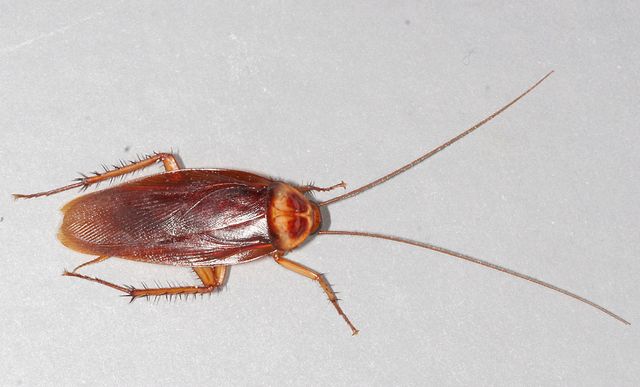
Close-up photograph of an American Cockroach (Periplaneta americana)

American Cockroach

Periplaneta americana

The largest cockroach found in Malta, and one of the few that flies readily on warm nights.

Health risk Read more
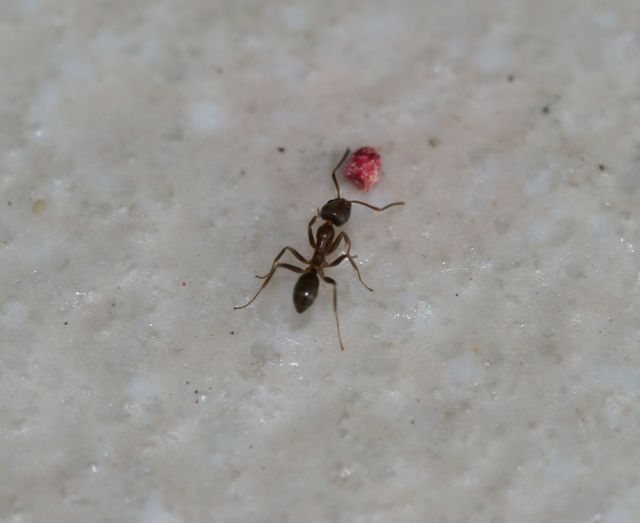
Close-up photograph of an Argentine Ant (Linepithema humile)

Argentine Ant

Linepithema humile

The ant you are most likely to find marching along a Maltese kitchen worktop.

Nuisance Read more
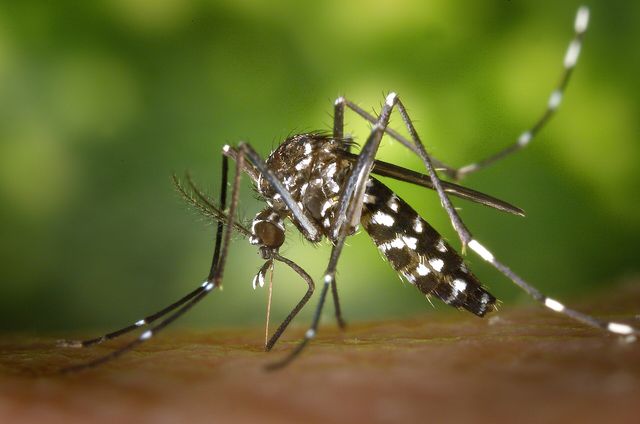
Close-up photograph of an Asian Tiger Mosquito (Aedes albopictus)

Asian Tiger Mosquito

Aedes albopictus

Established across Malta since 2010 and now the dominant biting mosquito.

High risk Read more
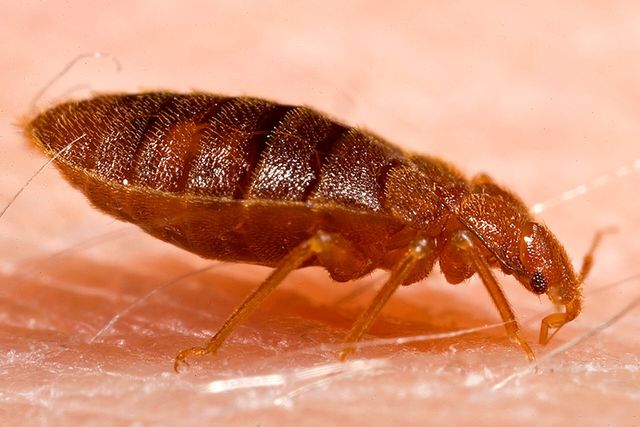
Close-up photograph of a Bed Bug (Cimex lectularius)

Bed Bug

Cimex lectularius

Malta’s tourism and rental market makes bed bugs a year-round problem rather than a seasonal one.

High risk Read more
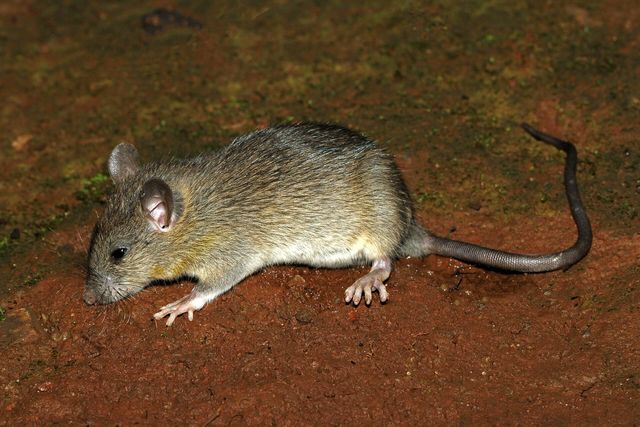
Close-up photograph of a Black Rat (Rattus rattus)

Black Rat (Roof Rat)

Rattus rattus

An agile climber found in older Maltese townhouses, roof voids, palm trees and port areas.

High risk Read more
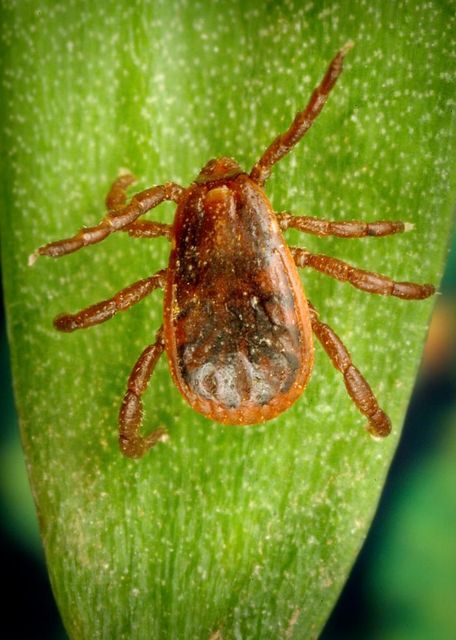
Close-up photograph of a Brown Dog Tick (Rhipicephalus sanguineus)

Brown Dog Tick

Rhipicephalus sanguineus

Unusually for a tick, this species completes its whole life cycle indoors, which is why Maltese homes and kennels can become heavily infested.

High risk Read more
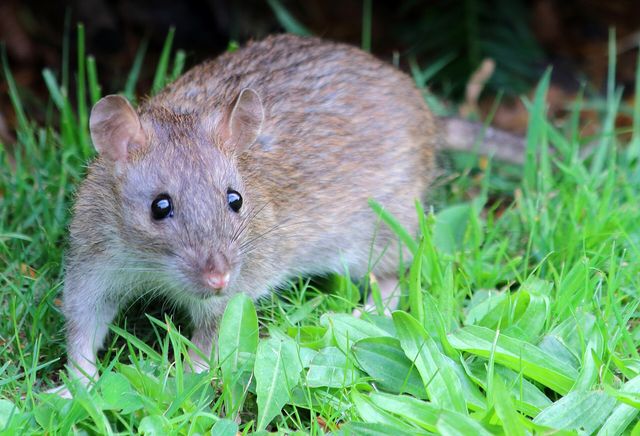
Close-up photograph of a Brown Rat (Rattus norvegicus)

Brown Rat

Rattus norvegicus

Also called the sewer or Norway rat, and the most common rat in Maltese towns.

High risk Read more
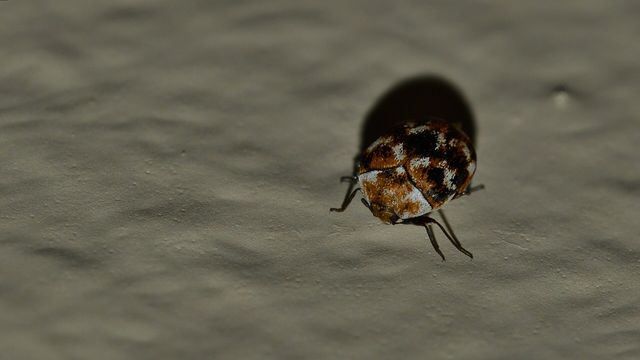
Close-up photograph of a Carpet Beetle (Anthrenus verbasci)

Carpet Beetle

Anthrenus verbasci

The hairy larvae, known as woolly bears, chew through wool carpets, natural fibre rugs and stored textiles.

Property damage Read more
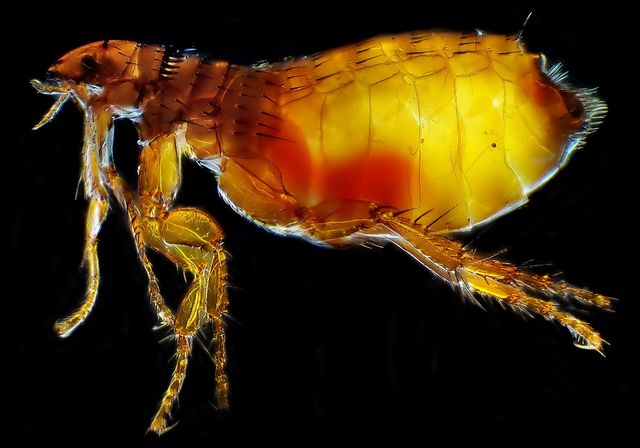
Close-up photograph of a Cat Flea (Ctenocephalides felis)

Cat Flea

Ctenocephalides felis

The species responsible for almost all flea problems in Maltese homes, whether or not you own a pet.

Health risk Read more
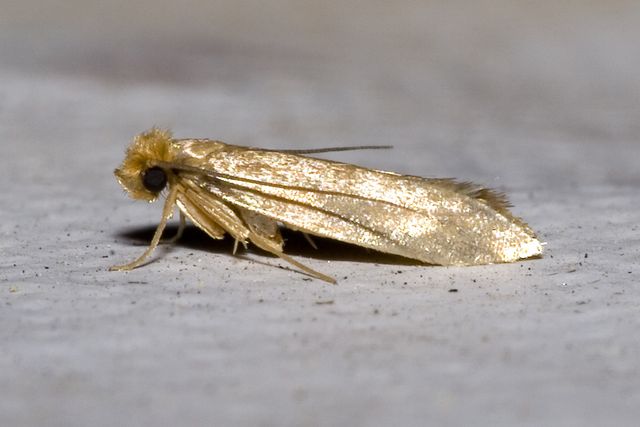
Close-up photograph of a Clothes Moth (Tineola bisselliella)

Clothes Moth

Tineola bisselliella

The adults do not feed at all.

Property damage Read more
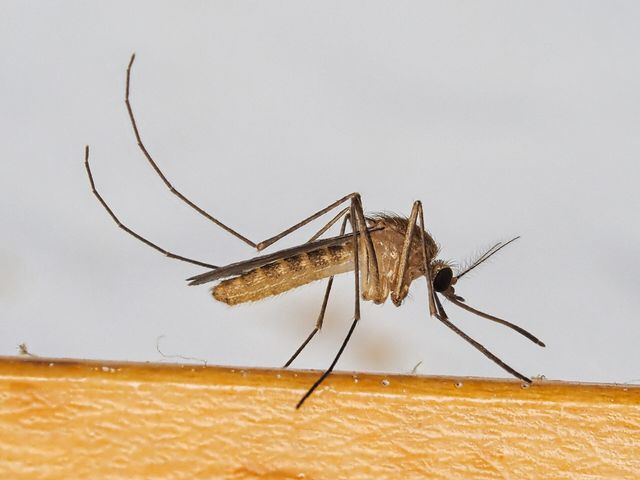
Close-up photograph of a Common House Mosquito (Culex pipiens)

Common House Mosquito

Culex pipiens

The one that whines around the bedroom at night, bred in stagnant, organically rich water: blocked drains, cesspits, neglected wells.

Health risk Read more
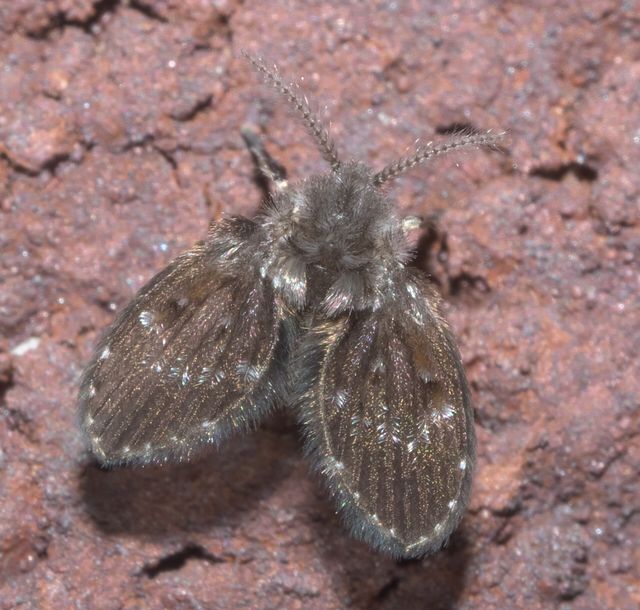
Close-up photograph of a Drain Fly (Clogmia albipunctata)

Drain Fly (Moth Fly)

Clogmia albipunctata

Fuzzy grey flies sitting on the tiles just above a drain.

Nuisance Read more
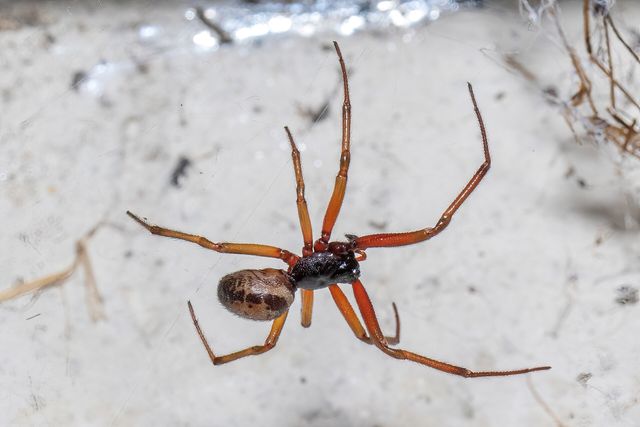
Close-up photograph of a False Widow Spider (Steatoda spp.)

False Widow Spider

Steatoda spp.

Common in and around Maltese buildings, frequently mistaken for a black widow, and responsible for a good deal more alarm than harm: a bite hurts, but it is not medically serious for most people.

Low risk Read more
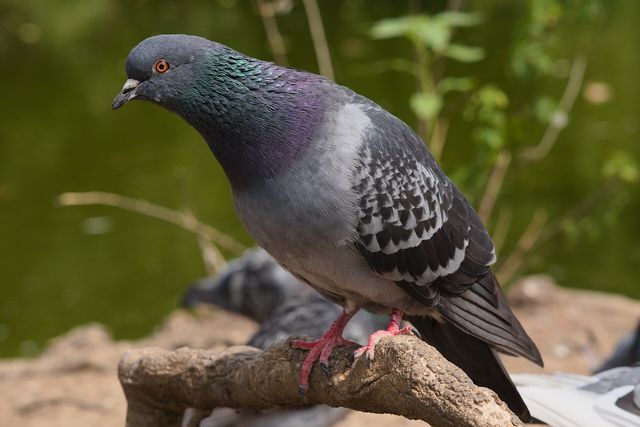
Close-up photograph of a Feral Pigeon (Columba livia domestica)

Feral Pigeon

Columba livia domestica

Pigeons nesting on ledges, balconies and roofs cause more damage than most people expect.

Health risk Read more
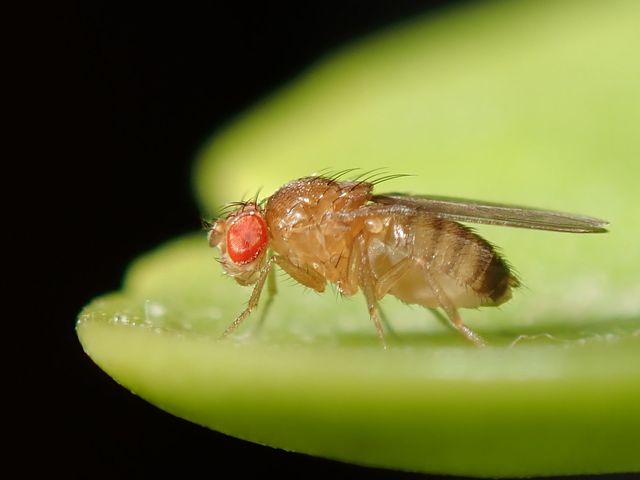
Close-up photograph of a Fruit Fly (Drosophila melanogaster)

Fruit Fly

Drosophila melanogaster

The tiny flies over a fruit bowl or a bar drip tray.

Nuisance Read more
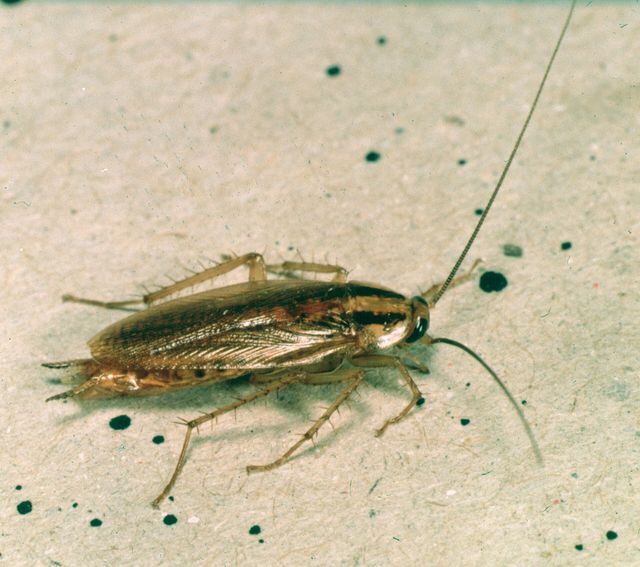
Close-up photograph of a German Cockroach (Blattella germanica)

German Cockroach

Blattella germanica

The most serious cockroach pest in Malta, and the hardest to get rid of.

Health risk Read more
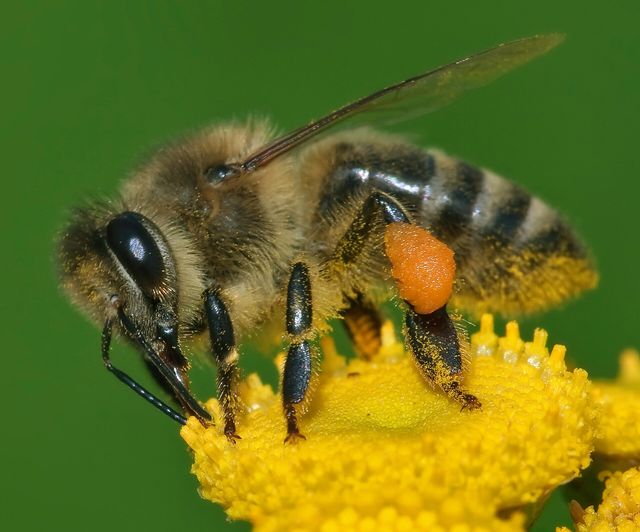
Close-up photograph of a Honey Bee (Apis mellifera ruttneri)

Honey Bee (Swarm)

Apis mellifera ruttneri

Honey bees are beneficial pollinators and the Maltese honey bee is a distinct local subspecies.

Protected, relocate Read more
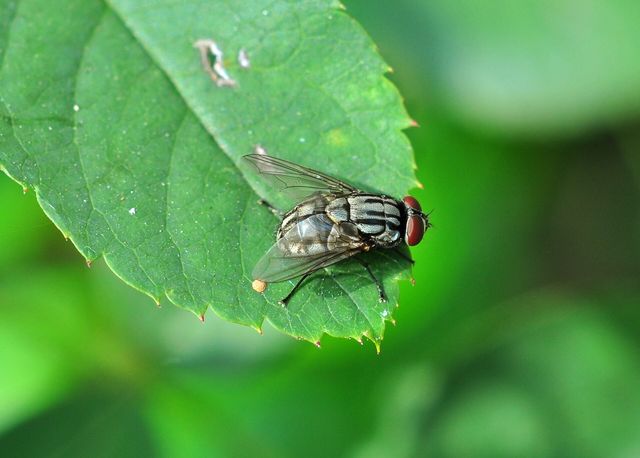
Close-up photograph of a House Fly (Musca domestica)

House Fly

Musca domestica

A fly can move from refuse to a dinner plate in seconds, and it feeds by regurgitating onto food before drinking the liquid.

Health risk Read more
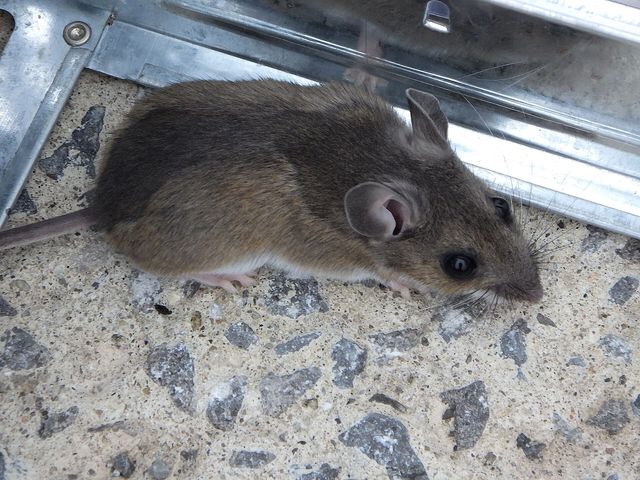
Close-up photograph of a House Mouse (Mus musculus)

House Mouse

Mus musculus

Small, curious and prolific.

High risk Read more
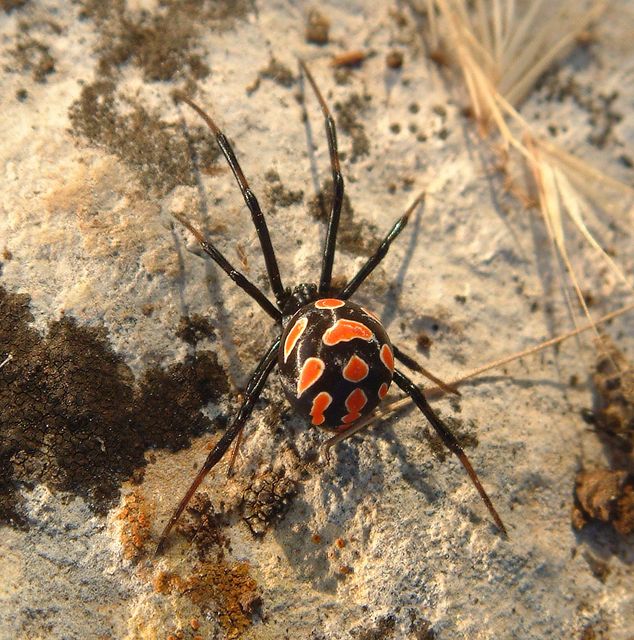
Close-up photograph of a Mediterranean Black Widow (Latrodectus tredecimguttatus)

Mediterranean Black Widow

Latrodectus tredecimguttatus

Malta’s only spider of genuine medical significance.

High risk Read more
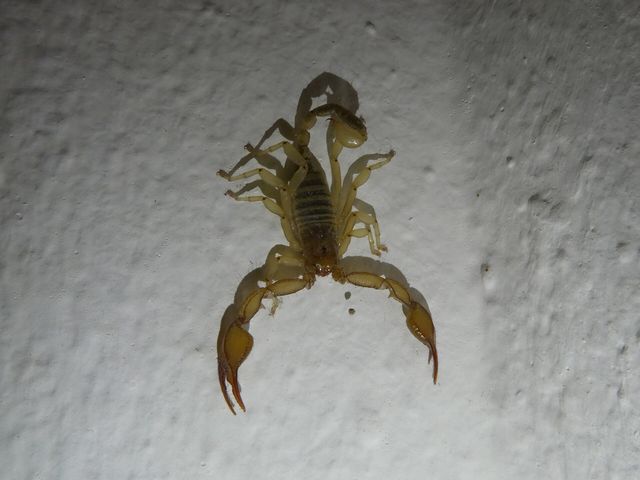
Close-up photograph of a Mediterranean Scorpion (Euscorpius sicanus)

Mediterranean Scorpion

Euscorpius sicanus

Malta’s native scorpion.

Low risk Read more
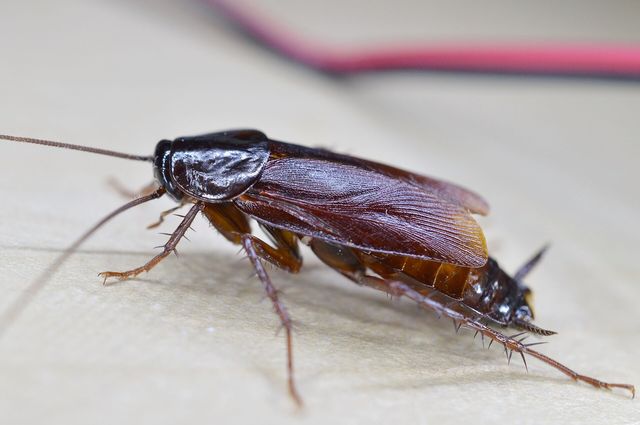
Close-up photograph of an Oriental Cockroach (Blatta orientalis)

Oriental Cockroach

Blatta orientalis

The large dark cockroach that comes up out of drains, wells and manholes on summer nights.

Health risk Read more
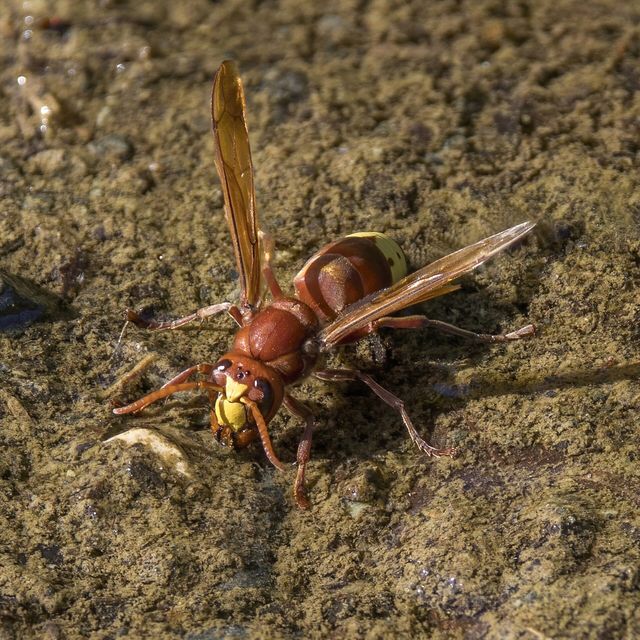
Close-up photograph of an Oriental Hornet (Vespa orientalis)

Oriental Hornet

Vespa orientalis

Malta’s largest stinging insect, and a growing problem in late summer.

High risk Read more
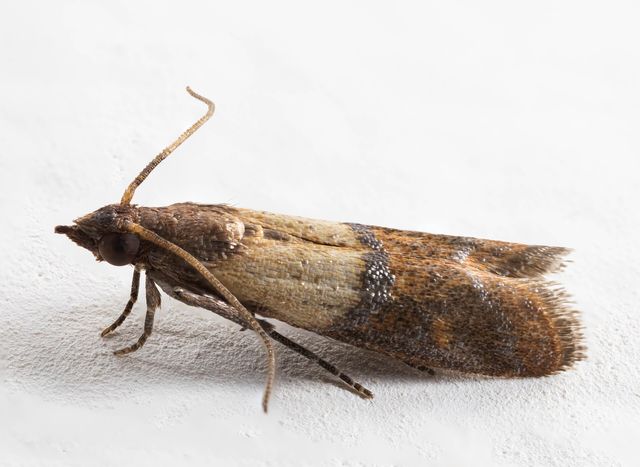
Close-up photograph of a Pantry Moth (Plodia interpunctella)

Pantry Moth

Plodia interpunctella

Almost always arrives inside a packet of food already infested.

Nuisance Read more
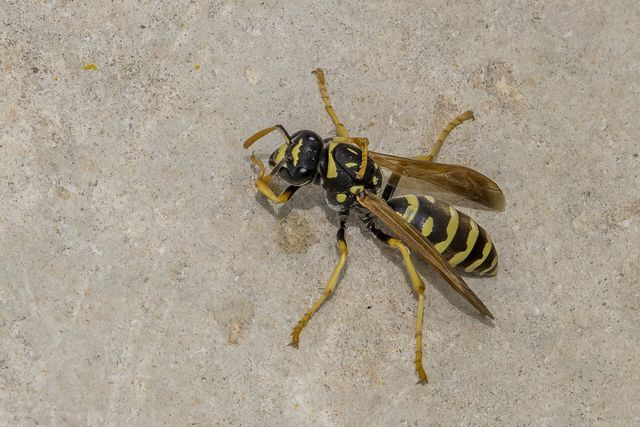
Close-up photograph of a Paper Wasp (Polistes gallicus)

Paper Wasp

Polistes gallicus

The most common stinging insect in Maltese homes.

High risk Read more
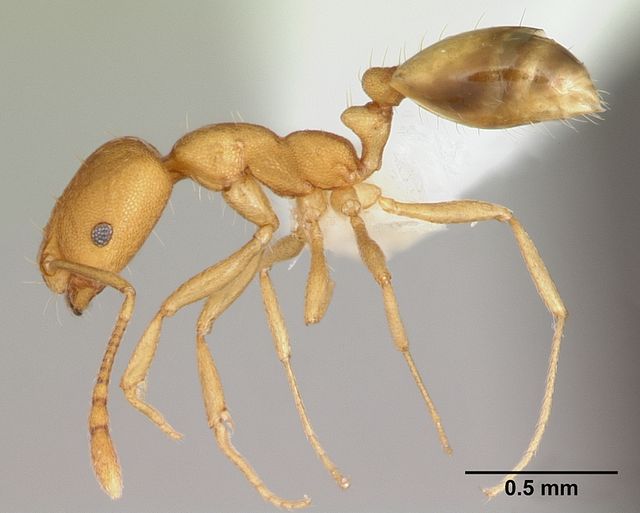
Close-up photograph of a Pharaoh Ant (Monomorium pharaonis)

Pharaoh Ant

Monomorium pharaonis

A tiny tropical ant that thrives indoors all year round in hospitals, kitchens and apartment blocks.

Health risk Read more
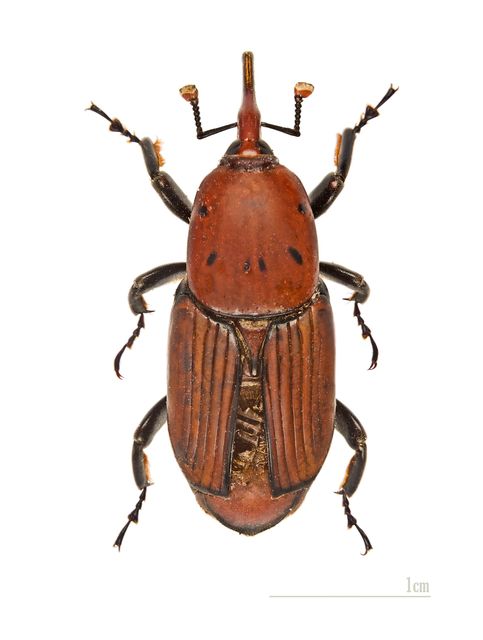
Close-up photograph of a Red Palm Weevil (Rhynchophorus ferrugineus)

Red Palm Weevil

Rhynchophorus ferrugineus

The single most destructive pest of palm trees in Malta.

Severe damage Read more
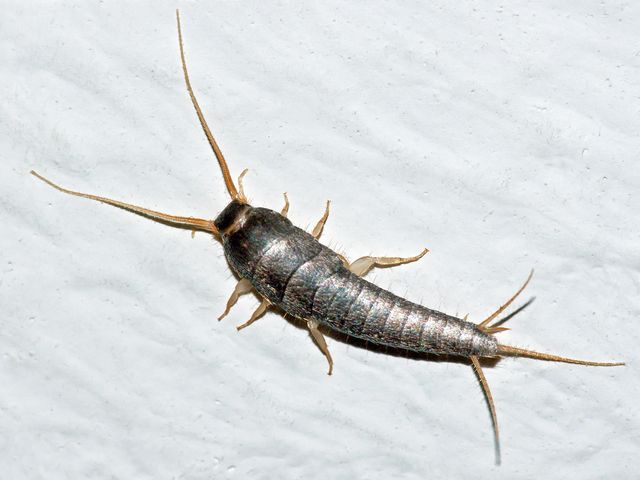
Close-up photograph of a Silverfish (Lepisma saccharina)

Silverfish

Lepisma saccharina

Fast, wingless insects that dart for cover when a bathroom light goes on.

Nuisance Read more
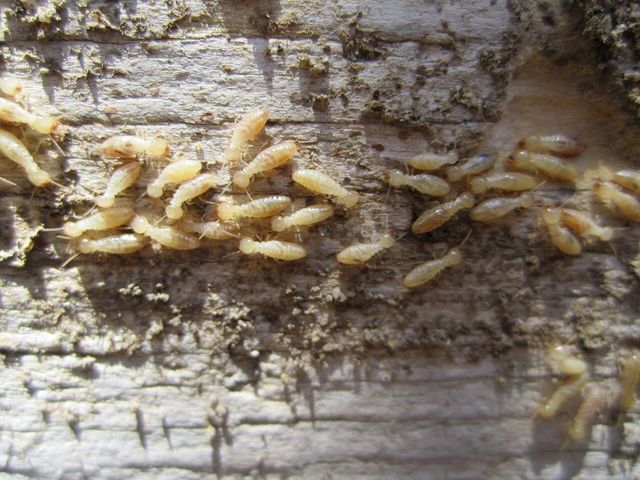
Close-up photograph of a Subterranean Termite (Reticulitermes lucifugus)

Subterranean Termite

Reticulitermes lucifugus

Present in Malta, and capable of destroying skirting, joinery, door frames and roof timbers from the inside out.

Severe damage Read more
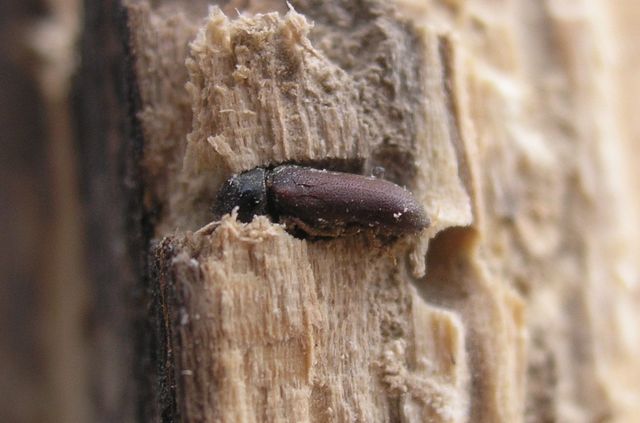
Close-up photograph of a Woodworm (Anobium punctatum)

Woodworm (Furniture Beetle)

Anobium punctatum

The larvae tunnel inside timber for three to four years before emerging, so by the time you see the holes the damage is already done.

Property damage Read more

Nothing matched that search

Try a simpler term (“ant”, “fly”, “wood”) or send us a photo and we will identify it for you.

Send us a photo
How to use this guide

Identify first, treat second

Match the signs, not just the insect

You will rarely see the pest itself first. Droppings, smear marks, bore dust, shed skins, damage patterns and smells all identify a species, and each guide page lists them.

Species changes everything

German and Oriental cockroaches need completely different treatments. Argentine ants must be baited, never sprayed. Getting this wrong is the most common reason a treatment fails.

Prevention is cheaper than treatment

Every page ends with prevention advice specific to Maltese buildings: shutter boxes, rubble walls, roof cisterns, drain gullies and the summer drought that drives pests indoors.

Still not sure what you are looking at?

Send a photo through WhatsApp and one of our technicians will identify it, usually within the hour, and tell you honestly whether it needs treating at all.