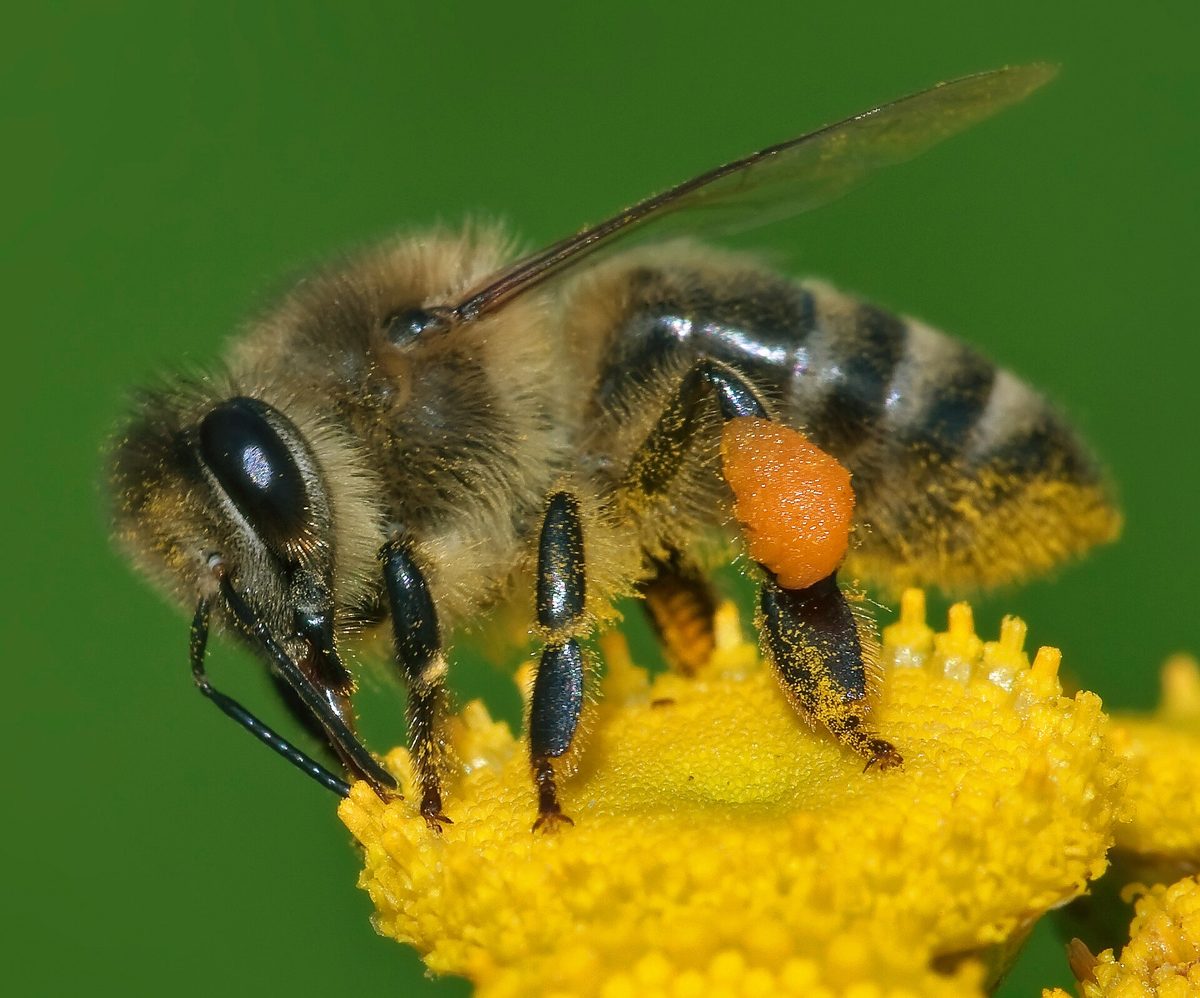
Honey Bee (Swarm)
Apis mellifera ruttneri
Honey bees are beneficial pollinators and the Maltese honey bee is a distinct local subspecies. We do not destroy healthy colonies: swarms are collected and rehomed by beekeepers.
Where it lives in Maltese properties
Swarms rest temporarily on branches, walls and railings while scouts find a permanent home. Established colonies occupy chimneys, wall cavities, roof voids and disused water tanks.
Signs of an infestation
You will usually notice the evidence long before you see the pest itself. Look for:
- A dense hanging cluster of bees on a branch, wall or post
- Steady two-way traffic into a single small hole in a wall or chimney
- Honeycomb visible in a cavity or roof void
- Wax or honey staining on an internal wall or ceiling
Why it matters
The risks associated with honey bee in Malta:
- Stings, and a real risk to anyone allergic to bee venom
- An established colony in a cavity leaves wax and honey that attract wax moth and rodents
- Honey can seep through and stain plaster and ceilings
How to prevent it
Prevention is always cheaper than treatment, and for this species it is genuinely effective:
- Seal disused chimneys, vents and cavity openings before spring
- Remove old comb after a colony is relocated, or the site will be re-colonised
- Do not spray or block a bee colony, which drives the bees indoors
- Keep clear of a resting swarm and call for collection
How we treat honey bee
We assess the colony and coordinate collection and relocation with local beekeepers wherever it is feasible. For colonies established inside a cavity we arrange careful cut-out and removal of comb, then proof the void so bees do not return. Destruction is a last resort, used only where relocation is impossible and there is a genuine public safety risk.
Wasp & Hornet Nest Removal — from €90 per nest
Licensed treatment and removal of paper wasp and Oriental hornet nests, including shutter boxes, roof voids and underground nests.
- Treatment in full protective equipment
- Nest removal once activity ceases
- Entry point proofing to prevent rebuilding
- Safety advice and exclusion timing
- Same-day emergency service available
Often confused with, or found alongside
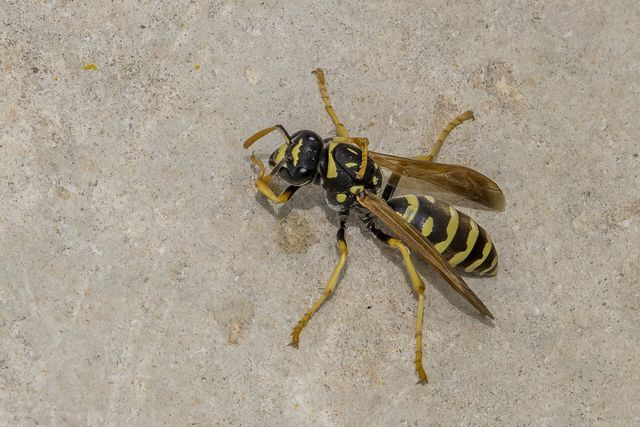
Paper Wasp
Polistes gallicusThe most common stinging insect in Maltese homes.
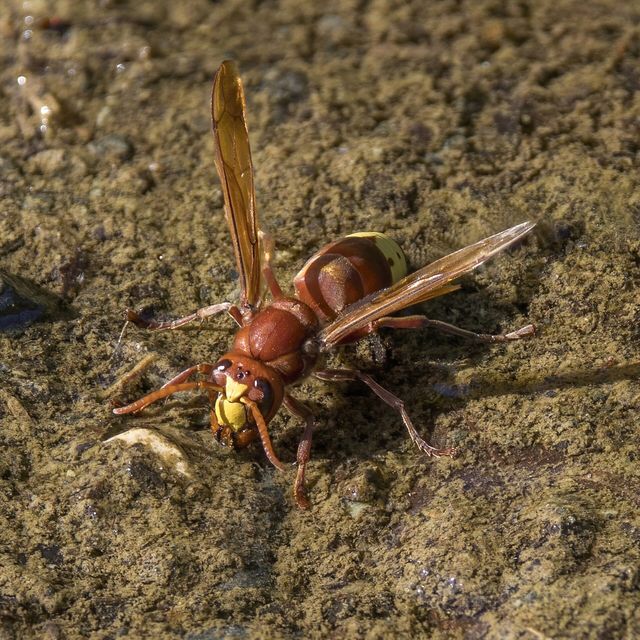
Oriental Hornet
Vespa orientalisMalta’s largest stinging insect, and a growing problem in late summer.
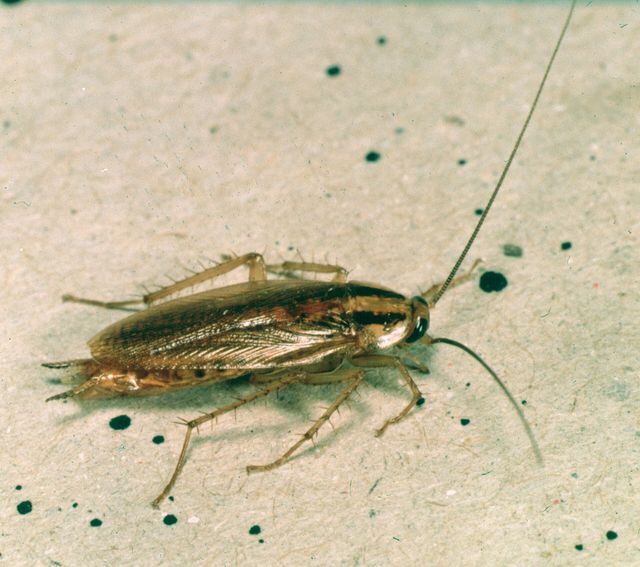
German Cockroach
Blattella germanicaThe most serious cockroach pest in Malta, and the hardest to get rid of.
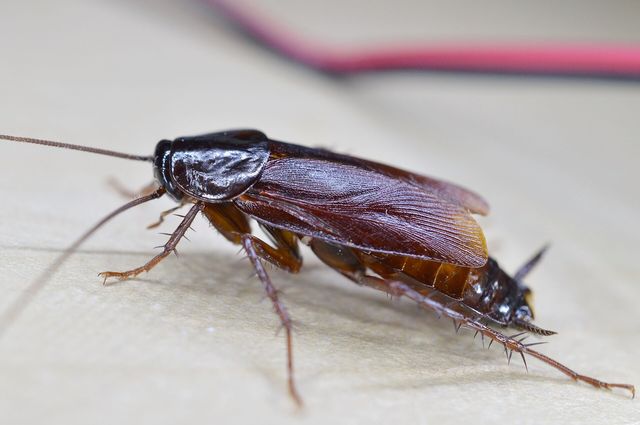
Oriental Cockroach
Blatta orientalisThe large dark cockroach that comes up out of drains, wells and manholes on summer nights.
Dealing with honey bee?
Book a treatment online at a fixed price, or request an inspection if you would rather have it confirmed first. Either way you will know the cost before anyone starts work.