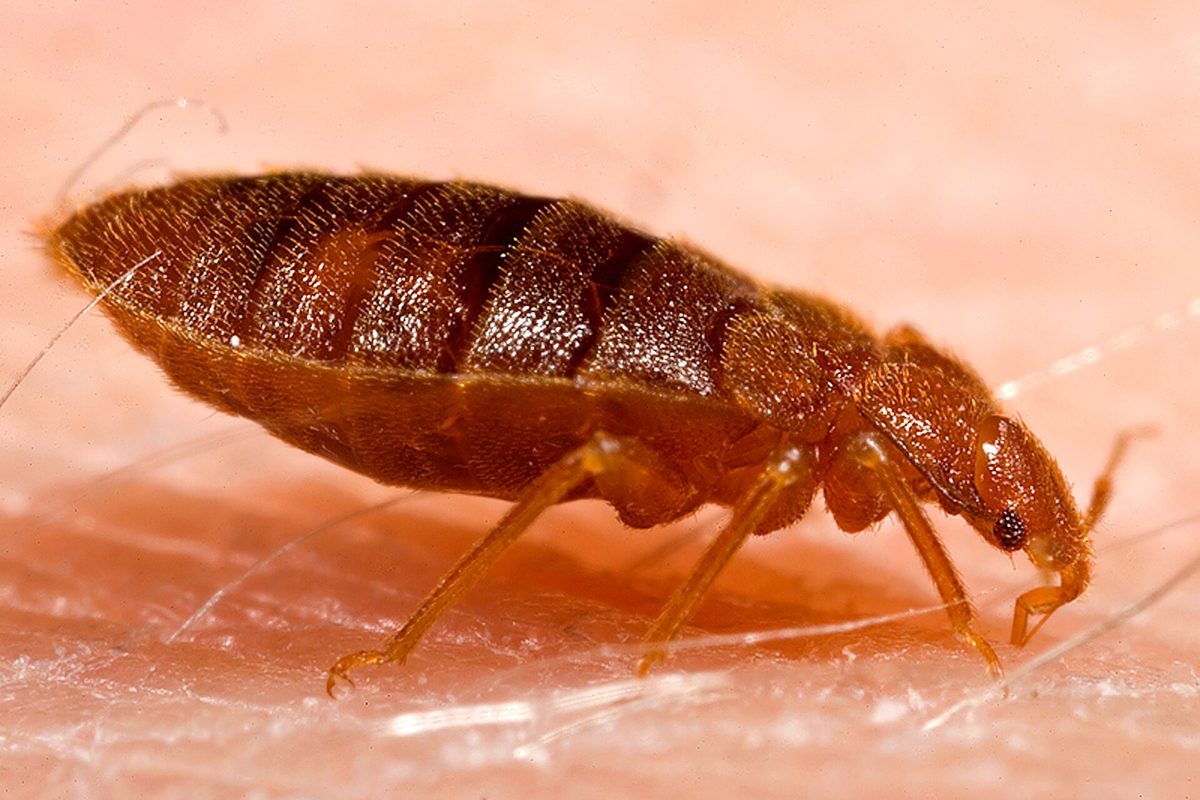
Bed Bug
Cimex lectularius
Malta’s tourism and rental market makes bed bugs a year-round problem rather than a seasonal one. They travel in luggage and second-hand furniture, not in dirt, so the cleanest hotel room and the tidiest home are equally at risk. Most people find them because of the bites, which is unfortunate, because bites are the least reliable evidence there is: reactions vary enormously between people sharing the same bed. The physical signs on the mattress are what count.
Where it lives in Maltese properties
Mattress seams and labels, bed frame joints, headboards, bedside furniture, skirting boards, behind loose wallpaper, curtain hems and sofa seams. Always within a few metres of where people sleep.
Signs of an infestation
You will usually notice the evidence long before you see the pest itself. Look for:
- Rows or clusters of itchy bites on arms, shoulders, neck and legs
- Small dark ink-like spots on sheets, mattress seams and the bed frame
- Tiny blood smears on bedding after being crushed
- Pale shed skins and white eggs 1 mm long in crevices
- A sweet, musty almond-like odour in heavy infestations
- Bites in a line or cluster on skin exposed during sleep, though roughly one person in five never reacts at all
Why it matters
The risks associated with bed bug in Malta:
- Bites cause severe itching, secondary infection and disrupted sleep
- Significant anxiety and distress for occupants
- Serious reputational and financial damage to hotels and short-let apartments
- Spreads rapidly between adjoining rooms and apartments through service voids
How to prevent it
Prevention is always cheaper than treatment, and for this species it is genuinely effective:
- Inspect hotel mattress seams and headboards before unpacking
- Keep luggage off the bed and on a hard luggage rack
- Wash and tumble-dry travel clothes on high heat on return
- Never take discarded mattresses or upholstered furniture from the street
- Fit encasements to mattresses and bases in rental property
- On return from travel, unpack straight into the washing machine rather than into the wardrobe
- In a let, inspect between every changeover. Finding one early is a room out of service for a day rather than a floor out for a fortnight
How we treat bed bug
Effective control needs a full survey of every room, then a combination of steam or controlled heat treatment, targeted residual insecticide in harbourages, mattress encasements and interceptor monitors under bed legs. Two to three visits 10–14 days apart are normal. We re-inspect before signing off and can issue a written clearance certificate for landlords and hotels.
Bed Bug Treatment — from €190 per room
Heat or steam combined with targeted residual treatment, mattress encasements and interceptor monitors, finishing with a written clearance certificate.
- Room-by-room survey
- Steam or controlled heat treatment
- Targeted residual insecticide at harbourages
- Interceptor monitors under bed legs
- Two follow-up visits 10–14 days apart
- Written clearance certificate
- 90-day guarantee
Often confused with, or found alongside
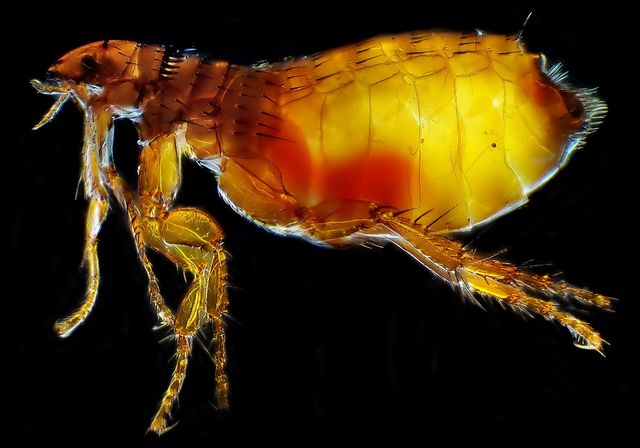
Cat Flea
Ctenocephalides felisThe species responsible for almost all flea problems in Maltese homes, whether or not you own a pet.
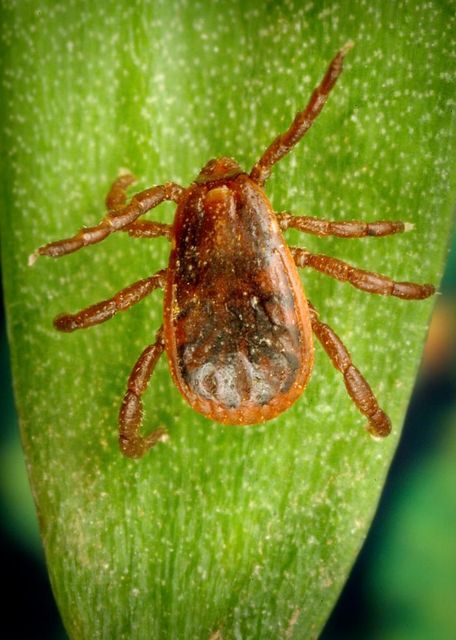
Brown Dog Tick
Rhipicephalus sanguineusUnusually for a tick, this species completes its whole life cycle indoors, which is why Maltese homes and kennels can become heavily infested.
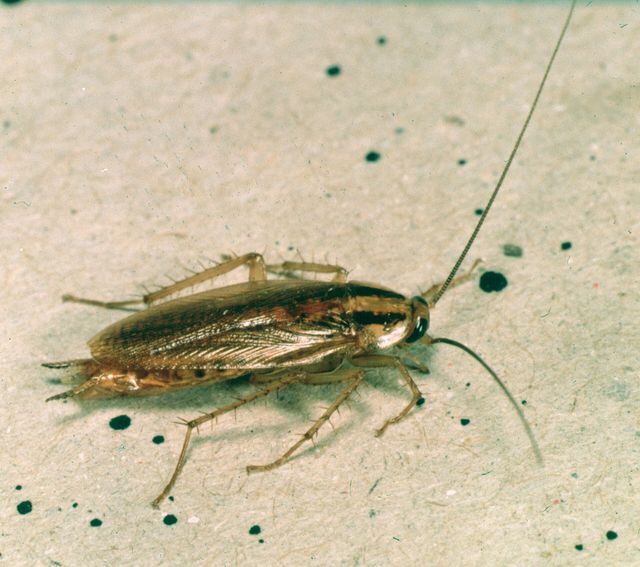
German Cockroach
Blattella germanicaThe most serious cockroach pest in Malta, and the hardest to get rid of.
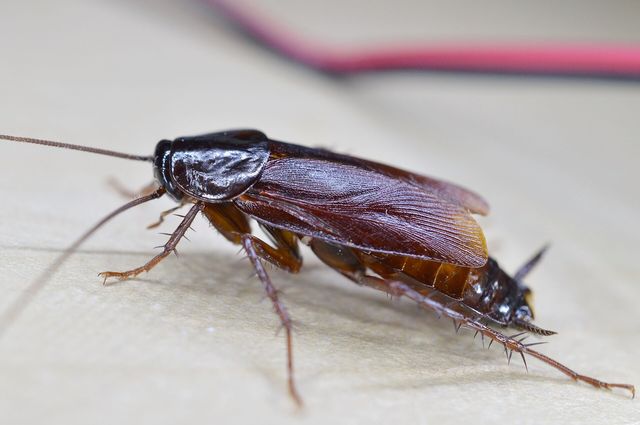
Oriental Cockroach
Blatta orientalisThe large dark cockroach that comes up out of drains, wells and manholes on summer nights.
Dealing with bed bug?
Book a treatment online at a fixed price, or request an inspection if you would rather have it confirmed first. Either way you will know the cost before anyone starts work.