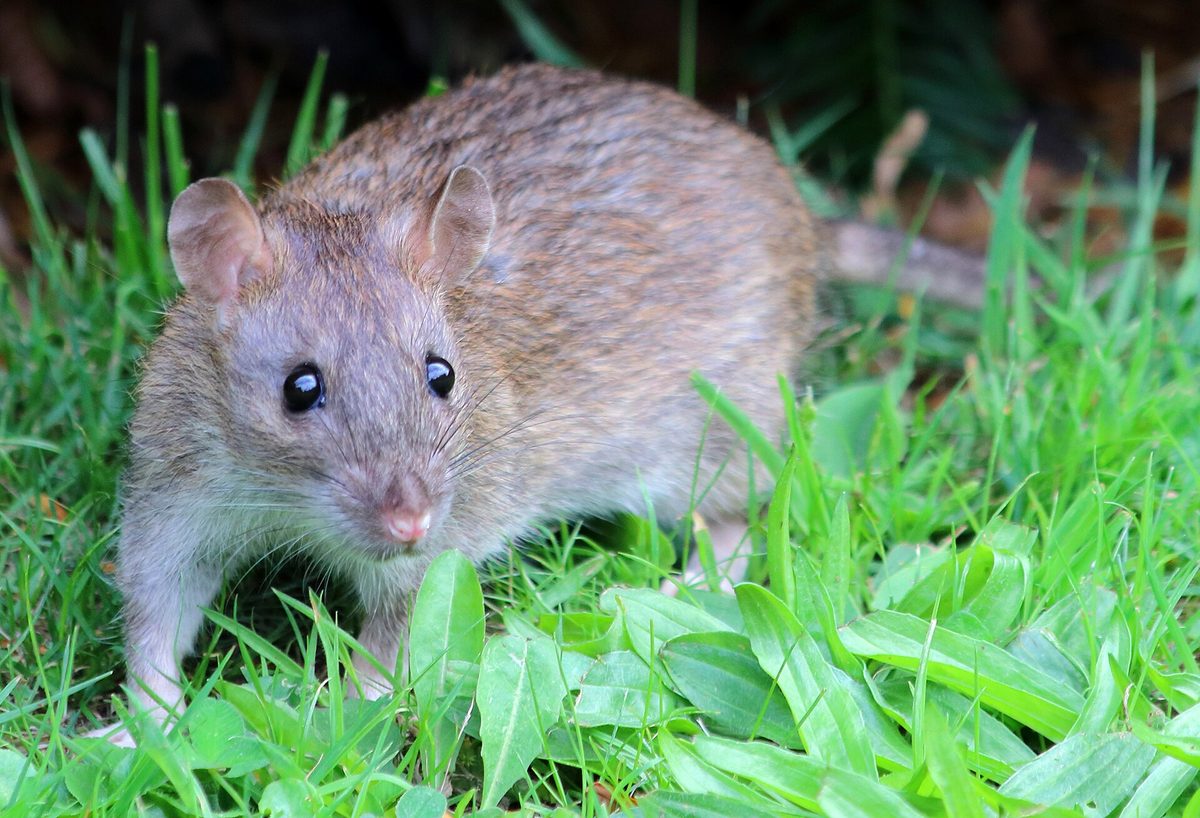
Brown Rat
Rattus norvegicus
Also called the sewer or Norway rat, and the most common rat in Maltese towns. It lives in drains, valley beds, refuse areas and the voids beneath buildings. Almost every indoor infestation we attend traces back to a defect in the drainage rather than to anything the occupier has done.
Where it lives in Maltese properties
Burrows in soil banks, under sheds and rubble walls, along wied (valley) beds, in sewers and beneath ground-floor slabs. Rarely far from food waste and water.
Signs of an infestation
You will usually notice the evidence long before you see the pest itself. Look for:
- Dark tapered droppings 15–20 mm long, often in runs
- Smooth greasy smear marks along walls, pipes and beam edges
- Gnaw damage to cables, packaging, doors and plastic pipework
- Burrow entrances 7–12 cm across near walls, drains and rubble
- Scratching and running sounds in ceilings, walls and roof voids at night
Why it matters
The risks associated with brown rat in Malta:
- Transmits Leptospirosis (Weil’s disease), Salmonella, Hantavirus and Toxoplasma
- Gnawed electrical cabling is a documented cause of building fires
- Contaminates food stock and packaging, forcing costly disposal
- Undermines paving, drainage and foundations through burrowing
- Automatic failure point in any food safety audit
How to prevent it
Prevention is always cheaper than treatment, and for this species it is genuinely effective:
- Seal every gap larger than 20 mm. Rats get through far less than people expect
- Keep refuse in rodent-proof bins with closed lids, away from the building
- Repair defective drains, gullies and manhole covers
- Cut back vegetation and clear rubble against external walls
- Never leave pet food, bird feed or compost accessible overnight
- Check the drain runs. A defective interceptor under the yard is the most common way rats get into an otherwise sound building
How we treat brown rat
We survey to find the harbourage and entry routes, then combine tamper-resistant bait stations, break-back trapping and, most importantly, physical proofing so the population cannot return. Rodenticide use follows the CRRU stewardship rules: never placed in the open, always recorded, and removed once activity ceases. A typical programme is three to four visits over six weeks.
Rodent Control Programme — from €150 per property
Survey, tamper-resistant baiting and trapping, plus the proofing works that stop rodents coming back. Rodenticides used strictly under CRRU stewardship.
- Full survey of harbourage and entry routes
- Tamper-resistant bait stations and break-back traps
- Two follow-up visits within six weeks
- Proofing report with photographs
- Removal of stations on completion
- 90-day guarantee
Often confused with, or found alongside
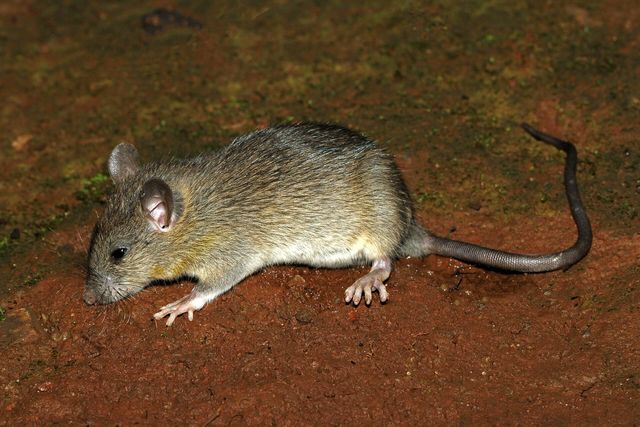
Black Rat (Roof Rat)
Rattus rattusAn agile climber found in older Maltese townhouses, roof voids, palm trees and port areas.
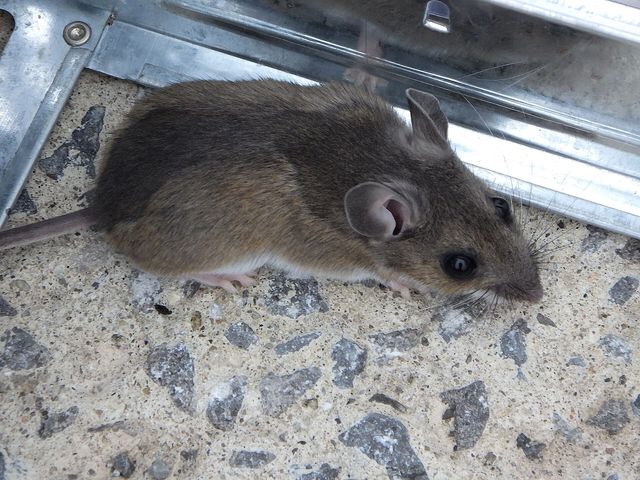
House Mouse
Mus musculusSmall, curious and prolific.
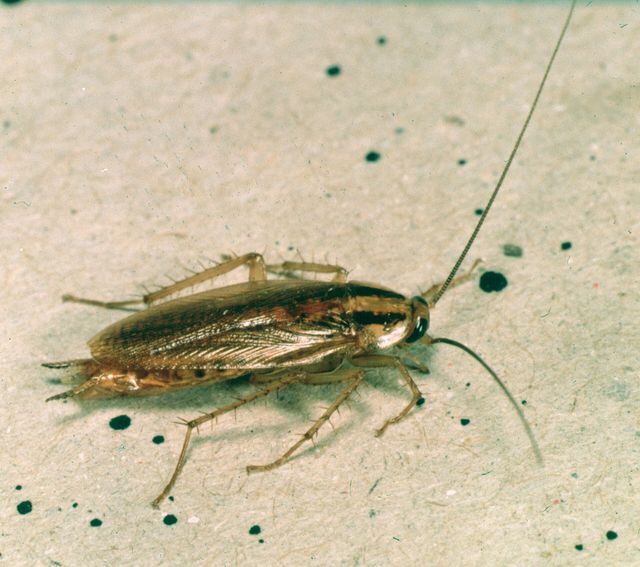
German Cockroach
Blattella germanicaThe most serious cockroach pest in Malta, and the hardest to get rid of.
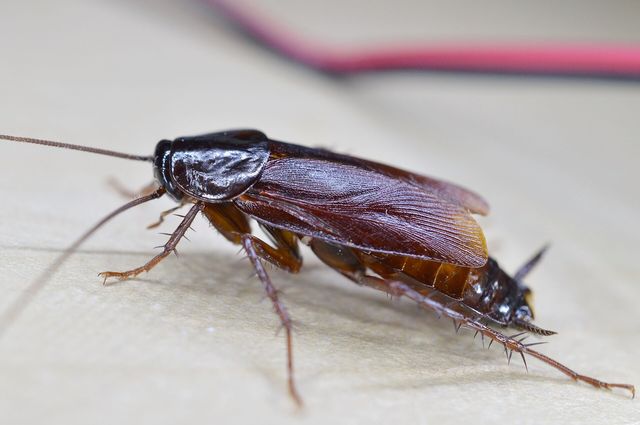
Oriental Cockroach
Blatta orientalisThe large dark cockroach that comes up out of drains, wells and manholes on summer nights.
Dealing with brown rat?
Book a treatment online at a fixed price, or request an inspection if you would rather have it confirmed first. Either way you will know the cost before anyone starts work.