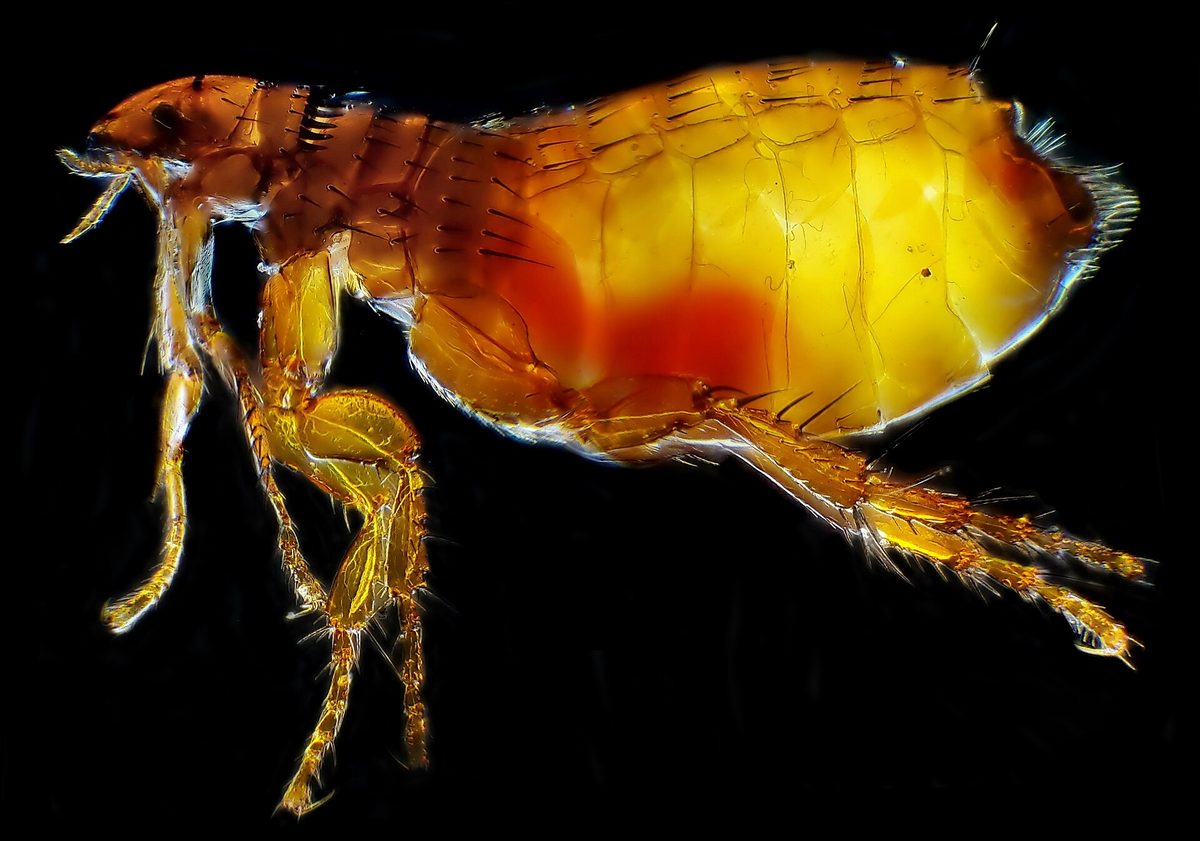
Cat Flea
Ctenocephalides felis
The species responsible for almost all flea problems in Maltese homes, whether or not you own a pet. Eggs drop off animals into carpets and bedding, where larvae develop out of sight.
Where it lives in Maltese properties
Carpets, rugs, upholstery, pet bedding, gaps between floor tiles and skirting boards. Also thrives in empty apartments and garages where feral cats shelter.
Signs of an infestation
You will usually notice the evidence long before you see the pest itself. Look for:
- Itchy bites clustered around ankles and lower legs
- Pets scratching, biting at the base of the tail, or losing fur
- Black gritty “flea dirt” in pet bedding that turns red-brown when damp
- Small dark insects jumping from carpets or clothing
- Sudden intense biting when re-entering a property that has been empty
Why it matters
The risks associated with cat flea in Malta:
- Bites cause intense irritation and allergic dermatitis in people and pets
- Transmits tapeworm to cats and dogs
- Can carry Bartonella (cat scratch disease)
- Larvae survive for months in flooring, so infestations recur without treatment
How to prevent it
Prevention is always cheaper than treatment, and for this species it is genuinely effective:
- Keep pets on a year-round veterinary flea treatment
- Vacuum carpets, rugs and pet bedding thoroughly and empty the vacuum outside
- Wash pet bedding weekly at 60°C
- Block access to voids and garages used by feral cats
- Treat before leaving a property empty over summer, not after
How we treat cat flea
We treat all floor surfaces and soft furnishings with a residual insecticide combined with an insect growth regulator that stops larvae developing. Vacuuming before and after treatment is essential, because vibration triggers dormant pupae to hatch into the treated surface. Pets must be treated by a vet at the same time or the cycle restarts.
Flea & Tick Treatment — from €110 per property
Full floor and soft furnishing treatment with a growth regulator to break the larval cycle. Pets must be treated by a vet at the same time.
- Treatment of all floors, rugs and upholstery
- Insect growth regulator application
- External and kennel area treatment for ticks
- Preparation and vacuuming instructions
- Follow-up at 14 days
- 60-day guarantee
Often confused with, or found alongside
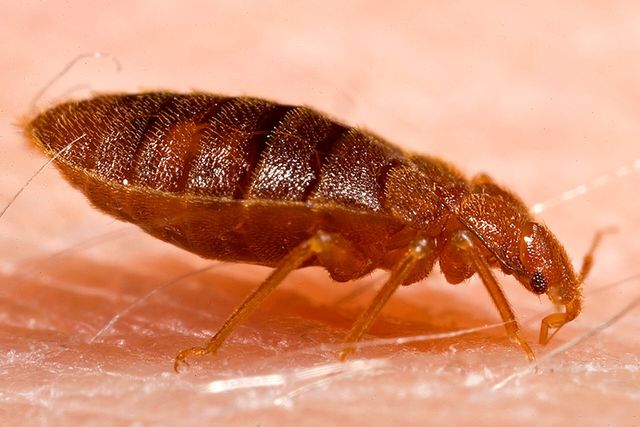
Bed Bug
Cimex lectulariusMalta’s tourism and rental market makes bed bugs a year-round problem rather than a seasonal one.
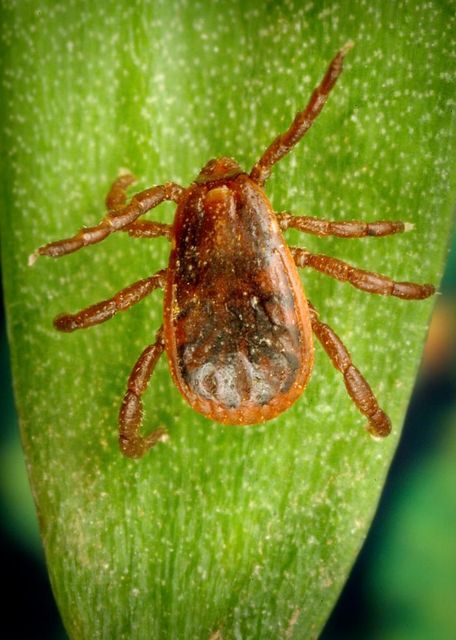
Brown Dog Tick
Rhipicephalus sanguineusUnusually for a tick, this species completes its whole life cycle indoors, which is why Maltese homes and kennels can become heavily infested.
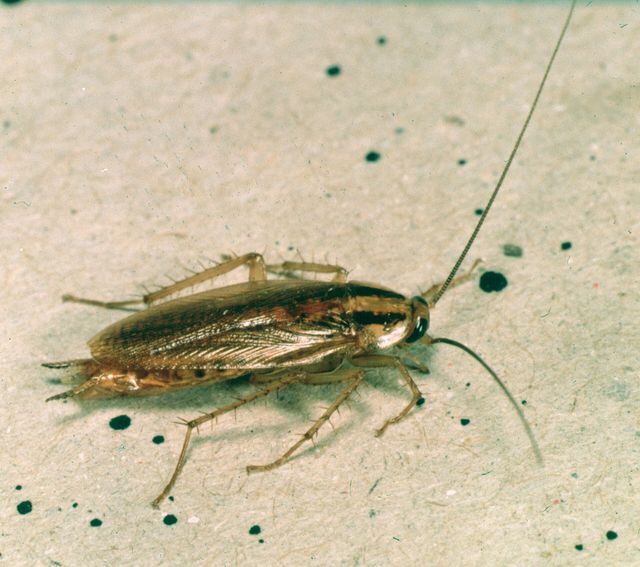
German Cockroach
Blattella germanicaThe most serious cockroach pest in Malta, and the hardest to get rid of.
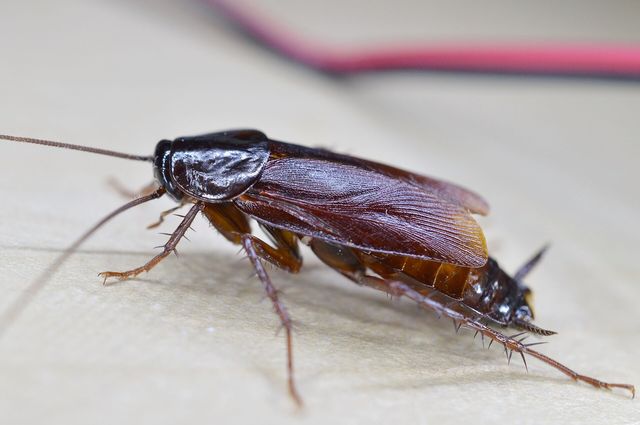
Oriental Cockroach
Blatta orientalisThe large dark cockroach that comes up out of drains, wells and manholes on summer nights.
Dealing with cat flea?
Book a treatment online at a fixed price, or request an inspection if you would rather have it confirmed first. Either way you will know the cost before anyone starts work.