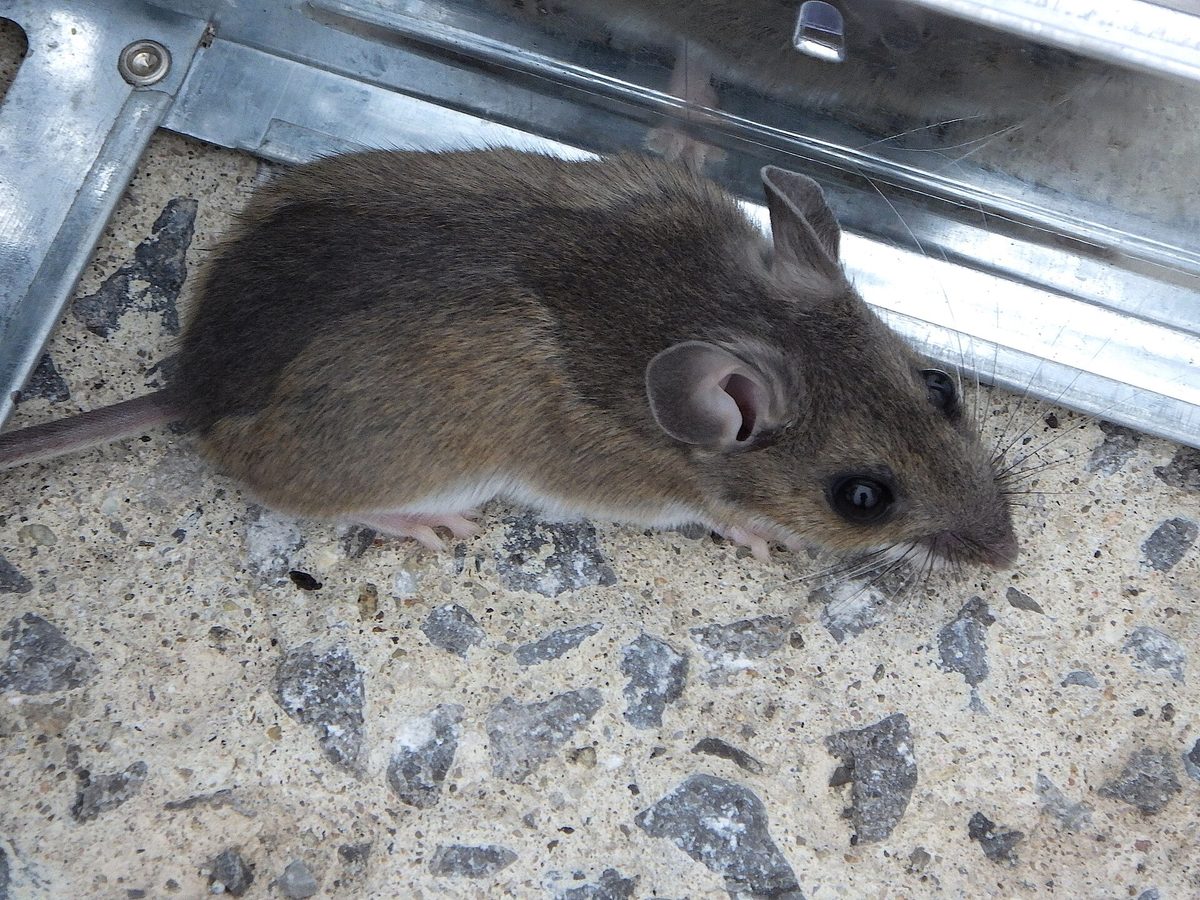
House Mouse
Mus musculus
Small, curious and prolific. A female can produce up to ten litters a year, so a pair noticed in November can be a serious infestation by February.
Where it lives in Maltese properties
Wall cavities, under kitchen units, behind appliances, in stud walls, storage rooms, suspended ceilings and cars. Needs very little food and can survive on crumbs alone.
Signs of an infestation
You will usually notice the evidence long before you see the pest itself. Look for:
- Small dark droppings 3–6 mm long, scattered rather than in piles
- Gnawed food packaging, especially cereals, pasta and pet food
- A sharp ammonia-like smell in cupboards and enclosed spaces
- Shredded paper, insulation or fabric nests behind appliances
- Faint scratching in walls at night
Why it matters
The risks associated with house mouse in Malta:
- Spreads Salmonella and other food-borne bacteria through droppings and urine
- Constant gnawing damages cables, insulation and stored goods
- Urine contamination triggers allergic and asthmatic reactions
- Rapid breeding turns a minor problem into a major one within weeks
How to prevent it
Prevention is always cheaper than treatment, and for this species it is genuinely effective:
- Seal gaps as small as 6 mm, about the width of a pencil
- Fit bristle strips or brush seals to external doors
- Store dry goods in glass, metal or thick plastic containers
- Keep appliance recesses clean and free of crumbs
How we treat house mouse
Mice are inquisitive but feed at many points, so control needs numerous bait and trap placements rather than a few. We use enclosed traps and bait stations along wall runs, combine them with proofing of entry points, and follow up until monitoring is clear. In food premises we use non-toxic monitoring first, as required by good practice.
Rodent Control Programme — from €150 per property
Survey, tamper-resistant baiting and trapping, plus the proofing works that stop rodents coming back. Rodenticides used strictly under CRRU stewardship.
- Full survey of harbourage and entry routes
- Tamper-resistant bait stations and break-back traps
- Two follow-up visits within six weeks
- Proofing report with photographs
- Removal of stations on completion
- 90-day guarantee
Often confused with, or found alongside
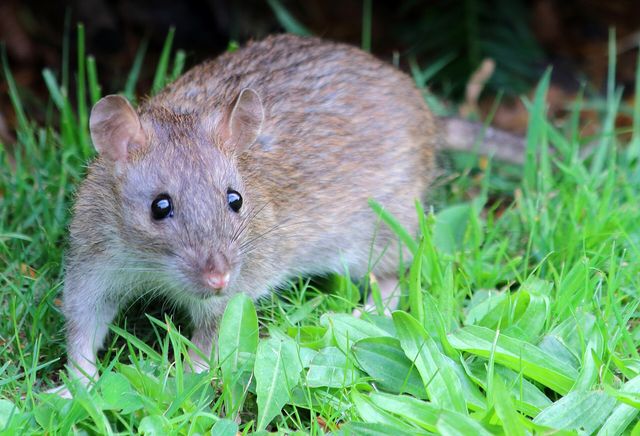
Brown Rat
Rattus norvegicusAlso called the sewer or Norway rat, and the most common rat in Maltese towns.
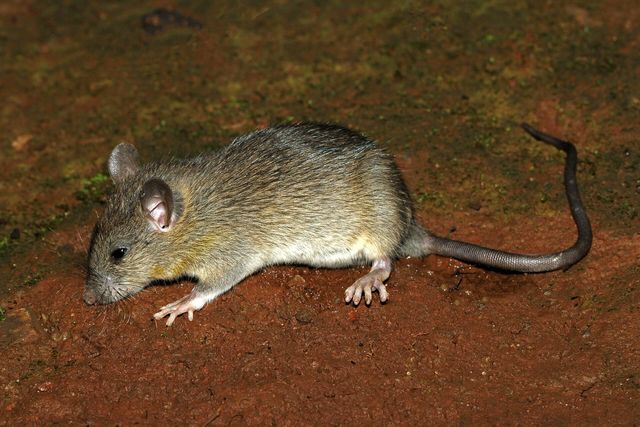
Black Rat (Roof Rat)
Rattus rattusAn agile climber found in older Maltese townhouses, roof voids, palm trees and port areas.
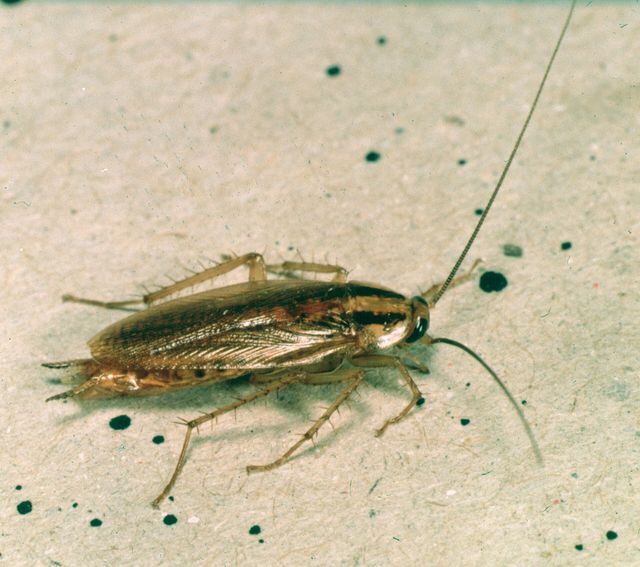
German Cockroach
Blattella germanicaThe most serious cockroach pest in Malta, and the hardest to get rid of.
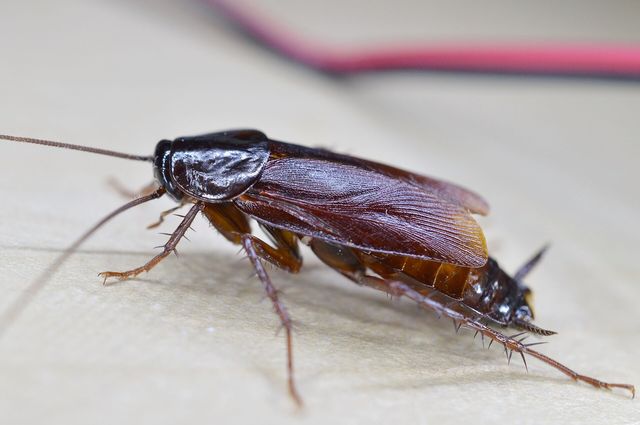
Oriental Cockroach
Blatta orientalisThe large dark cockroach that comes up out of drains, wells and manholes on summer nights.
Dealing with house mouse?
Book a treatment online at a fixed price, or request an inspection if you would rather have it confirmed first. Either way you will know the cost before anyone starts work.