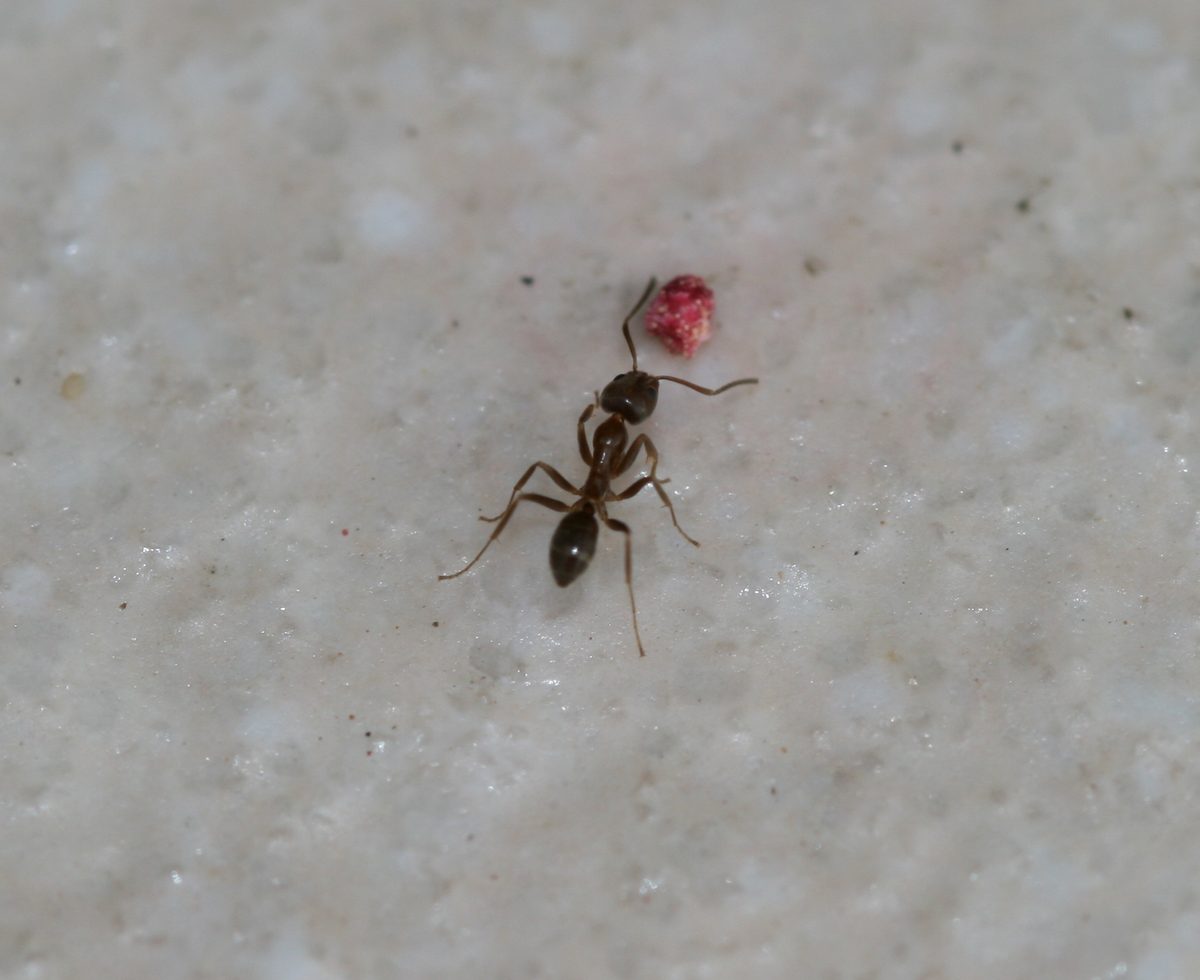
Argentine Ant
Linepithema humile
The ant you are most likely to find marching along a Maltese kitchen worktop. Argentine ants form enormous interconnected supercolonies rather than single nests, which is why spraying the trail never works for long.
Where it lives in Maltese properties
Nests under paving slabs, in wall cavities, planters, irrigation lines and beneath rubble walls. Colonies move indoors during the summer drought and again after heavy autumn rain, following water pipes and skirting boards.
Signs of an infestation
You will usually notice the evidence long before you see the pest itself. Look for:
- Continuous trails of small brown ants along walls, worktops and window frames
- Ants appearing around pet bowls, bins and sweet spills within minutes
- Fine soil deposits pushed up between paving slabs or floor tiles
- Swarms of ants on outdoor citrus and hibiscus, farming aphids for honeydew
Why it matters
The risks associated with Argentine ant in Malta:
- Contaminates food preparation surfaces and open food
- Can carry bacteria picked up from drains and refuse areas
- Protects plant pests such as aphids and scale, damaging gardens
- Occasionally short-circuits electrical fittings when nesting inside them
How to prevent it
Prevention is always cheaper than treatment, and for this species it is genuinely effective:
- Wipe up sugar, honey and fruit juice immediately. A single spill re-recruits the whole trail
- Store sugar, cereals and pet food in sealed containers
- Seal gaps around water and waste pipes with silicone or steel wool
- Keep planters and irrigation lines a hand-width away from external walls
- Do not spray the trail: it splits the colony and creates several new ones
How we treat Argentine ant
Argentine ants are controlled with slow-acting sugar-based gel and liquid baits placed on the trail so foragers carry the active ingredient back to every queen. We map the trails, bait the routes, treat the external nesting harbourage with a residual barrier and return after 10–14 days to confirm the colony has collapsed.
Ant Treatment — from €70 per property
Trail mapping with gel and liquid baiting to collapse the whole colony, plus an external residual barrier to stop re-entry.
- Trail mapping and nest location
- Sugar and protein gel bait placements
- External residual perimeter barrier
- Entry point sealing advice
- Follow-up check at 14 days
- 30-day guarantee
Often confused with, or found alongside
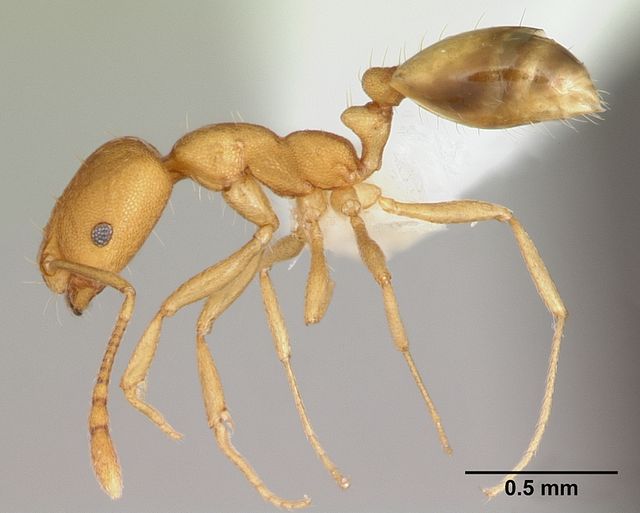
Pharaoh Ant
Monomorium pharaonisA tiny tropical ant that thrives indoors all year round in hospitals, kitchens and apartment blocks.
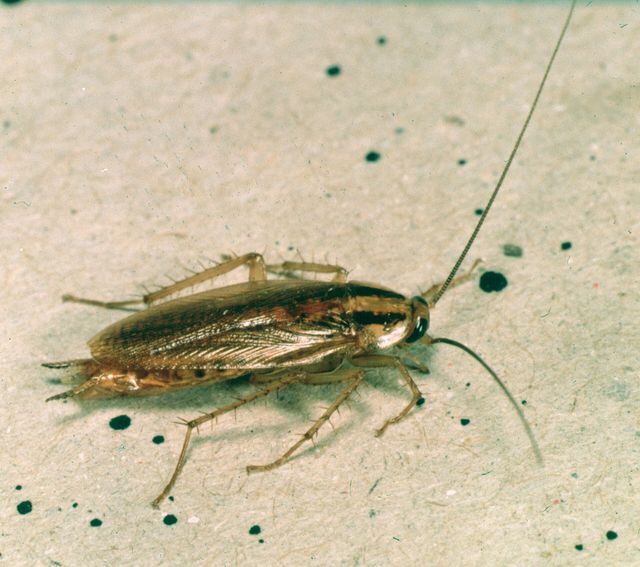
German Cockroach
Blattella germanicaThe most serious cockroach pest in Malta, and the hardest to get rid of.
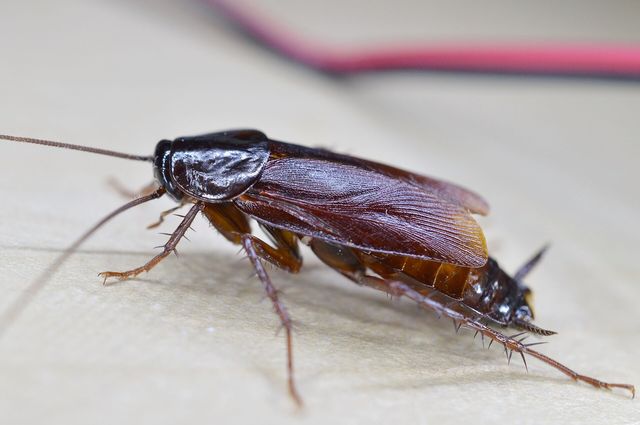
Oriental Cockroach
Blatta orientalisThe large dark cockroach that comes up out of drains, wells and manholes on summer nights.
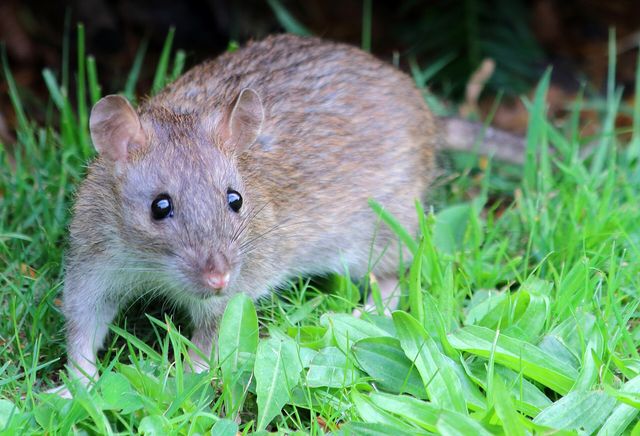
Brown Rat
Rattus norvegicusAlso called the sewer or Norway rat, and the most common rat in Maltese towns.
Dealing with Argentine ant?
Book a treatment online at a fixed price, or request an inspection if you would rather have it confirmed first. Either way you will know the cost before anyone starts work.