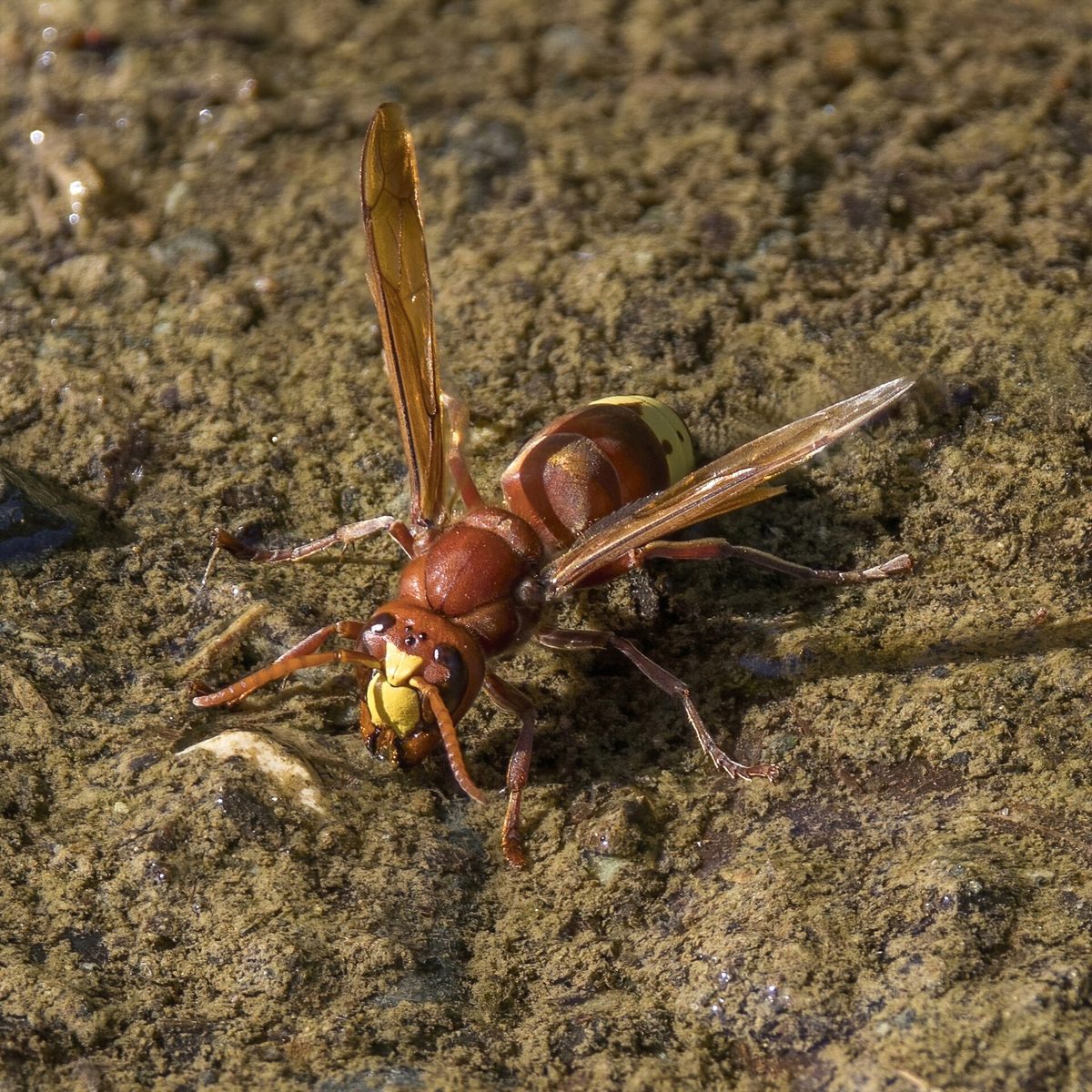
Oriental Hornet
Vespa orientalis
Malta’s largest stinging insect, and a growing problem in late summer. Colonies nest underground or in wall cavities and defend the nest vigorously, so removal is strictly a job for a licensed technician.
Where it lives in Maltese properties
Underground cavities, rubble walls, disused wells, wall voids, roof spaces and hollow trees. Often nests below ground in gardens and fields where the entrance is easy to disturb.
Signs of an infestation
You will usually notice the evidence long before you see the pest itself. Look for:
- Large red-brown hornets with a yellow band, active in strong sunshine
- A steady stream of hornets entering a hole in the ground, a wall or a wellhead
- Hornets attacking beehives or hovering around fruit trees and bins
- Loud buzzing from within a cavity or under paving
Why it matters
The risks associated with Oriental hornet in Malta:
- Stings are extremely painful and can be dangerous, especially in numbers
- Serious anaphylaxis risk
- Colonies of several hundred defend aggressively at up to several metres
- Destroys honey bee colonies and damages soft fruit
How to prevent it
Prevention is always cheaper than treatment, and for this species it is genuinely effective:
- Never attempt to treat a hornet nest yourself. Call someone
- Keep away from and mark the area around a known nest entrance
- Fill disused wells, cavities and holes in rubble walls in winter
- Cover bins and clear fallen fruit in late summer
- Take care when strimming banks and field margins in autumn
How we treat Oriental hornet
We treat hornet nests with full protective equipment, applying professional dust or foam directly into the nest entrance, usually at dusk. Underground and cavity nests are treated in place and the entrance sealed once activity ends. We provide an exclusion zone and timing advice for schools, hotels and public areas, and offer a priority same-day service for nests near entrances or play areas.
Wasp & Hornet Nest Removal — from €90 per nest
Licensed treatment and removal of paper wasp and Oriental hornet nests, including shutter boxes, roof voids and underground nests.
- Treatment in full protective equipment
- Nest removal once activity ceases
- Entry point proofing to prevent rebuilding
- Safety advice and exclusion timing
- Same-day emergency service available
Often confused with, or found alongside
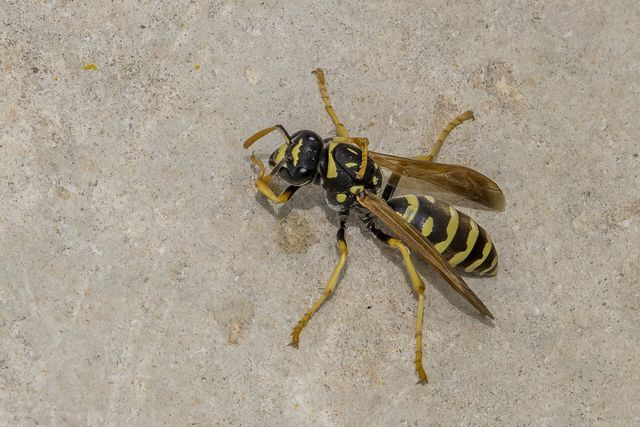
Paper Wasp
Polistes gallicusThe most common stinging insect in Maltese homes.
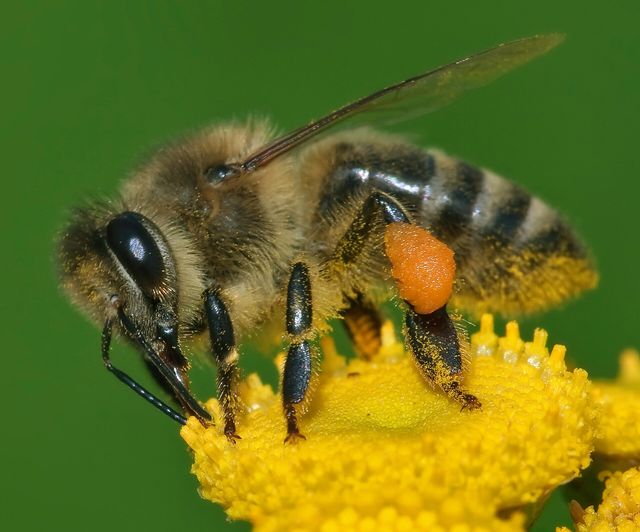
Honey Bee (Swarm)
Apis mellifera ruttneriHoney bees are beneficial pollinators and the Maltese honey bee is a distinct local subspecies.
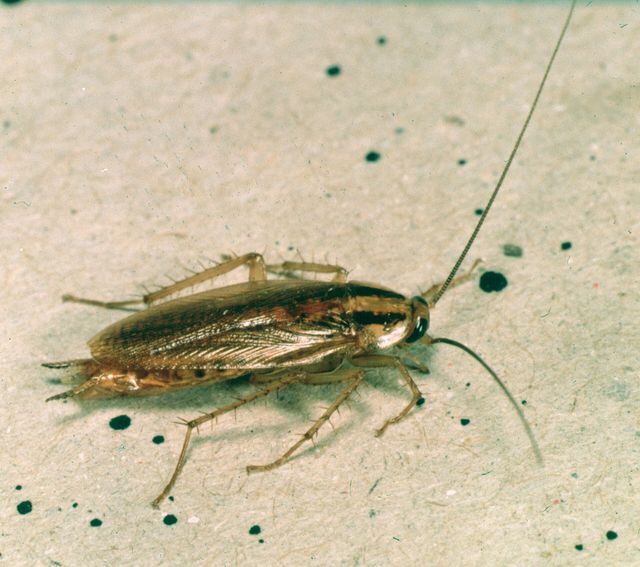
German Cockroach
Blattella germanicaThe most serious cockroach pest in Malta, and the hardest to get rid of.
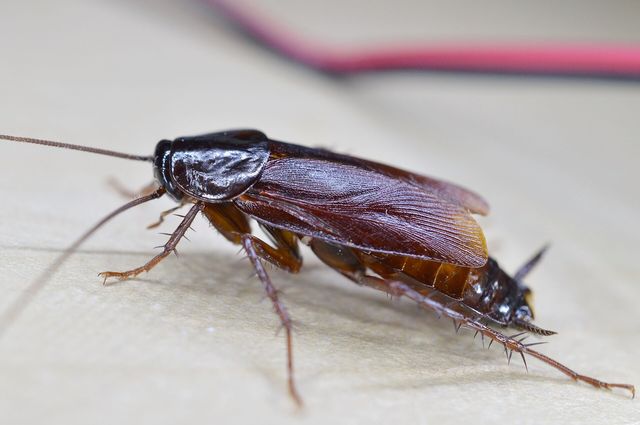
Oriental Cockroach
Blatta orientalisThe large dark cockroach that comes up out of drains, wells and manholes on summer nights.
Dealing with Oriental hornet?
Book a treatment online at a fixed price, or request an inspection if you would rather have it confirmed first. Either way you will know the cost before anyone starts work.