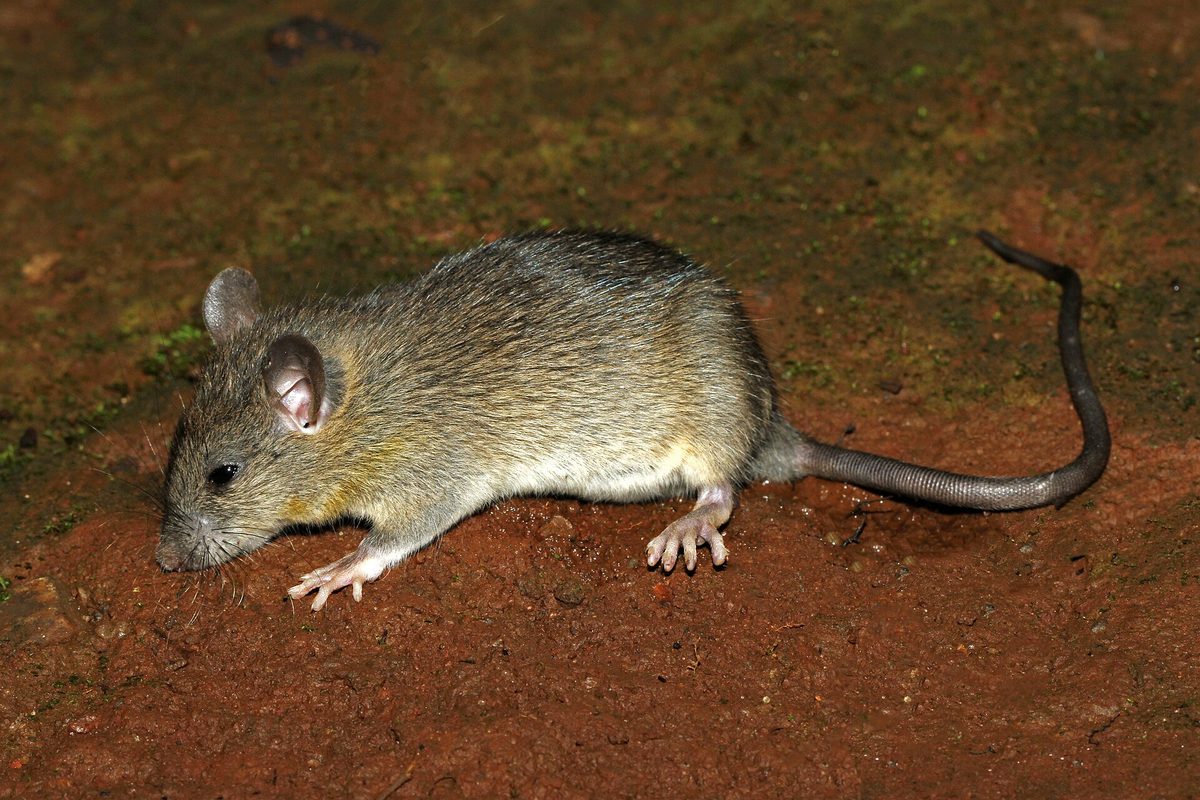
Black Rat (Roof Rat)
Rattus rattus
An agile climber found in older Maltese townhouses, roof voids, palm trees and port areas. Because it lives high up, infestations are often discovered late.
Where it lives in Maltese properties
Roof spaces, false ceilings, wall cavities, palm crowns, citrus and carob trees, warehouses and port buildings. Travels along cables, pipes and walls rather than the ground.
Signs of an infestation
You will usually notice the evidence long before you see the pest itself. Look for:
- Night-time scratching and scurrying overhead in ceilings and roof voids
- Spindle-shaped droppings around 10 mm long in lofts and on beams
- Gnawed fruit left on the tree, hollowed out with the skin intact
- Smear marks along roof timbers, cables and the tops of walls
- Nests of shredded insulation, paper and palm fibre
Why it matters
The risks associated with black rat in Malta:
- Historic and current vector of serious disease including Salmonella and Leptospirosis
- Damages roof insulation, water tanks and photovoltaic cabling
- Contaminates roof-mounted water storage
- Strips fruit crops and damages palms
How to prevent it
Prevention is always cheaper than treatment, and for this species it is genuinely effective:
- Fit mesh to eaves, vents, and gaps where cables enter the roof
- Cut back tree branches at least one metre from the roofline
- Cover roof water tanks and seal overflow pipes with mesh
- Harvest fruit promptly and clear windfall
How we treat black rat
Because black rats travel at height, bait and traps must be placed on their aerial runs (beams, cable trays and roof voids), not on the floor. We proof eaves and service entries, install stations along the runs, and use tracking dust or cameras where activity is hard to confirm.
Rodent Control Programme — from €150 per property
Survey, tamper-resistant baiting and trapping, plus the proofing works that stop rodents coming back. Rodenticides used strictly under CRRU stewardship.
- Full survey of harbourage and entry routes
- Tamper-resistant bait stations and break-back traps
- Two follow-up visits within six weeks
- Proofing report with photographs
- Removal of stations on completion
- 90-day guarantee
Often confused with, or found alongside
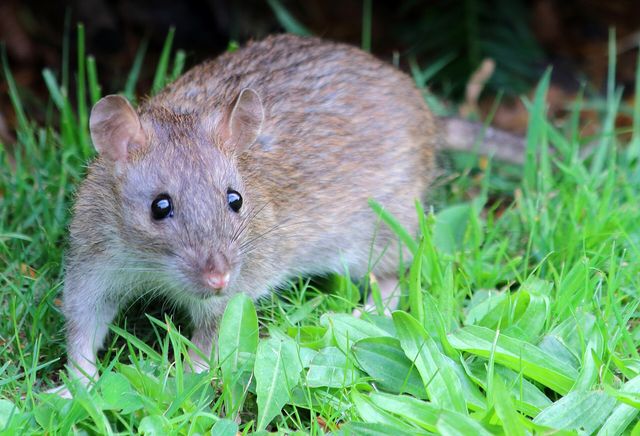
Brown Rat
Rattus norvegicusAlso called the sewer or Norway rat, and the most common rat in Maltese towns.
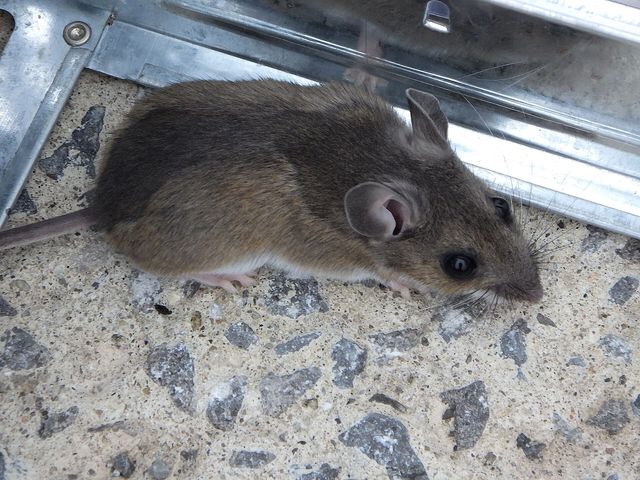
House Mouse
Mus musculusSmall, curious and prolific.
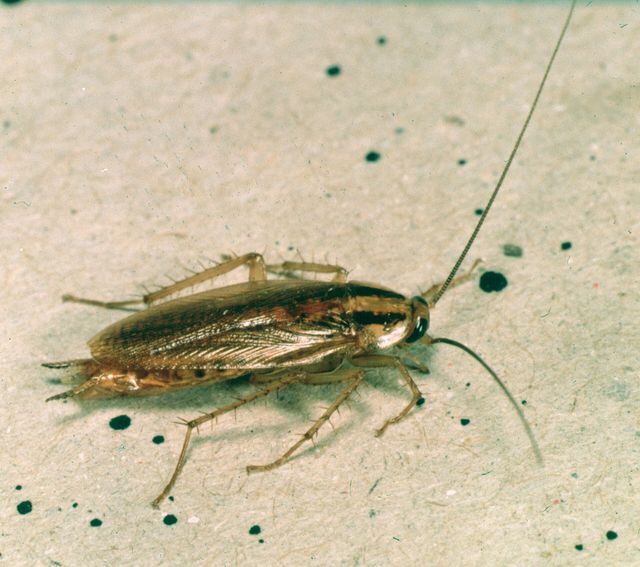
German Cockroach
Blattella germanicaThe most serious cockroach pest in Malta, and the hardest to get rid of.
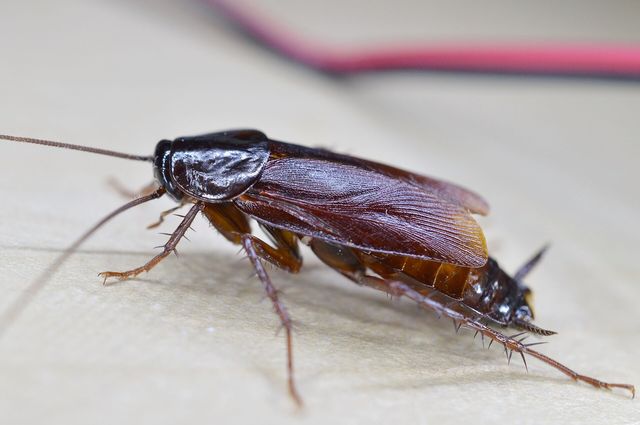
Oriental Cockroach
Blatta orientalisThe large dark cockroach that comes up out of drains, wells and manholes on summer nights.
Dealing with black rat?
Book a treatment online at a fixed price, or request an inspection if you would rather have it confirmed first. Either way you will know the cost before anyone starts work.