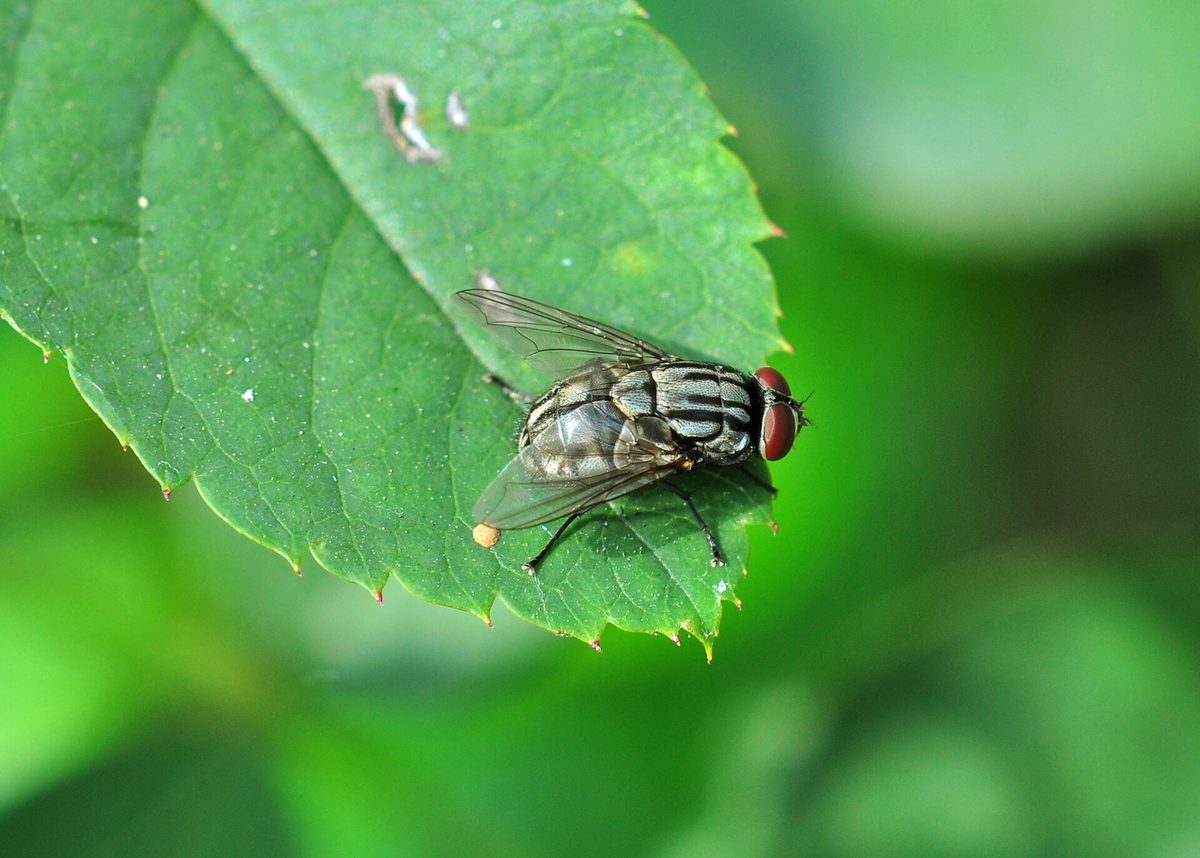
House Fly
Musca domestica
A fly can move from refuse to a dinner plate in seconds, and it feeds by regurgitating onto food before drinking the liquid. That combination makes it one of the most efficient contamination vectors in any kitchen.
Where it lives in Maltese properties
Breeds in refuse, animal waste, compost, drains and rotting organic matter. Adults are drawn indoors by food odours, light and warmth.
Signs of an infestation
You will usually notice the evidence long before you see the pest itself. Look for:
- Flies clustering on windows and light fittings
- Small dark specks (regurgitation and faecal spots) on walls, tiles and lampshades
- Maggots in bins, drains or under equipment
- Persistent numbers indicating a breeding site rather than casual entry
Why it matters
The risks associated with house fly in Malta:
- Carries Salmonella, E. coli, Campylobacter and Shigella
- Contaminates food, packaging and preparation surfaces
- Presence during an inspection can close a food premises
How to prevent it
Prevention is always cheaper than treatment, and for this species it is genuinely effective:
- Keep bin lids closed and bins washed, away from doors
- Fit fly screens to kitchen windows and doors
- Clean drains and grease traps regularly
- Remove animal waste and rotting fruit from yards and gardens promptly
How we treat house fly
The only lasting control is to find and remove the breeding site. We identify the source, treat it, then manage the adult population with professionally sited electric fly killers, targeted residual treatment of resting surfaces and, in commercial kitchens, a documented fly management programme with monthly unit servicing.
Fly Control & Drain Treatment — from €95 per property
Breeding source investigation, bio-enzyme drain treatment and adult knockdown, the only way to stop flies returning.
- Breeding source survey of drains and voids
- Bio-enzyme drain and gully treatment
- Residual treatment of resting surfaces
- Monitoring traps
- Sanitation report
Often confused with, or found alongside
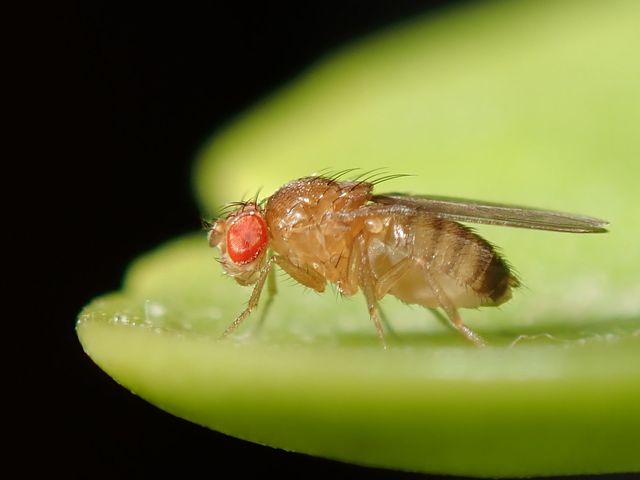
Fruit Fly
Drosophila melanogasterThe tiny flies over a fruit bowl or a bar drip tray.
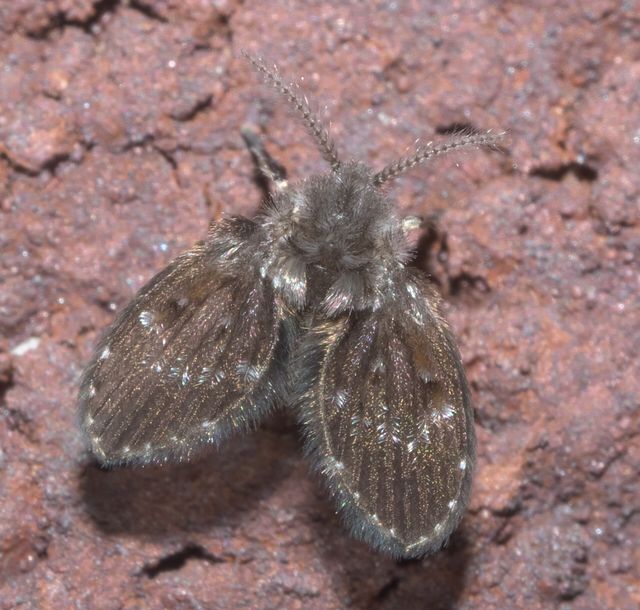
Drain Fly (Moth Fly)
Clogmia albipunctataFuzzy grey flies sitting on the tiles just above a drain.
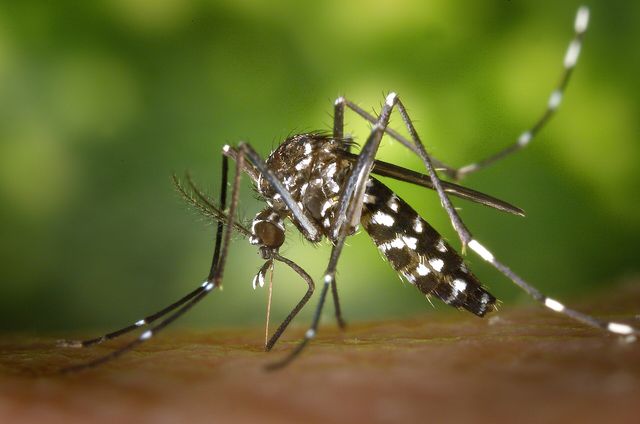
Asian Tiger Mosquito
Aedes albopictusEstablished across Malta since 2010 and now the dominant biting mosquito.
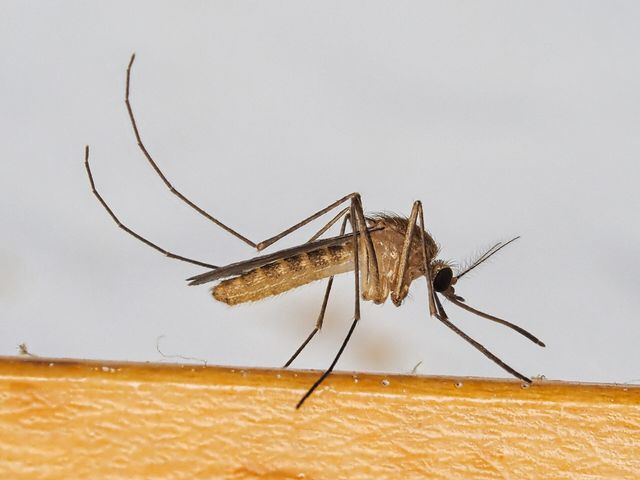
Common House Mosquito
Culex pipiensThe one that whines around the bedroom at night, bred in stagnant, organically rich water: blocked drains, cesspits, neglected wells.
Dealing with house fly?
Book a treatment online at a fixed price, or request an inspection if you would rather have it confirmed first. Either way you will know the cost before anyone starts work.