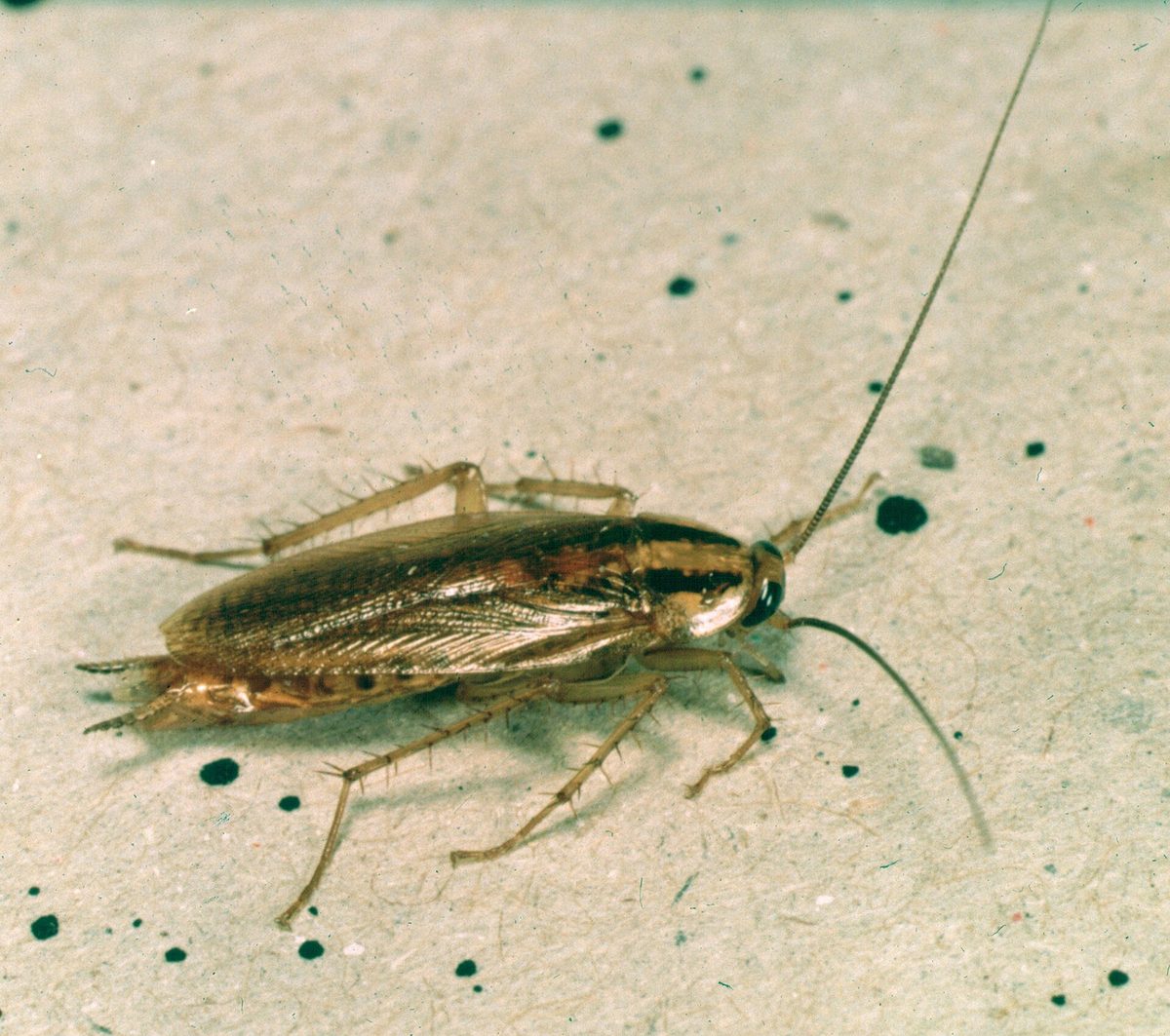
German Cockroach
Blattella germanica
The most serious cockroach pest in Malta, and the hardest to get rid of. It lives entirely indoors, breeds continuously, and a single female can account for thousands of descendants inside a year. Unlike the Oriental cockroach it is a strong climber, so it is found in wall units and appliance housings rather than just at floor level. It is also the species most likely to have been treated badly before we arrive, which matters: populations exposed to repeated over-the-counter sprays are harder to bait.
Where it lives in Maltese properties
Kitchens and bathrooms: behind fridges and ovens, inside motor housings, under sinks, in cupboard hinges, behind loose tiles and inside cardboard packaging. Hides within a few metres of food and water.
Signs of an infestation
You will usually notice the evidence long before you see the pest itself. Look for:
- Live insects scattering when a light is switched on at night
- Black pepper-like droppings in drawers, cupboard corners and hinges
- A distinctive musty, oily smell in badly infested kitchens
- Brown 8 mm egg cases (ootheca) glued into cracks
- Shed skins in cupboard runners and behind appliances
- Live nymphs in the morning, which usually means the population has outgrown its harbourage
Why it matters
The risks associated with German cockroach in Malta:
- Carries Salmonella, E. coli, Listeria and Staphylococcus on its body
- Droppings and shed skins are a major trigger for asthma and allergies in children
- Contaminates food, packaging and preparation surfaces
- Causes food business closures and failed inspections
- Populations develop resistance to over-the-counter sprays
- Neighbouring flats become re-infestation sources, so one unit alone is rarely a fix
How to prevent it
Prevention is always cheaper than treatment, and for this species it is genuinely effective:
- Deep clean grease from behind and beneath cookers and fridges
- Never leave washing-up, pet food or bin bags out overnight
- Break down and remove cardboard boxes, a favourite harbourage and a common way roaches arrive
- Repair dripping taps and seal gaps behind tiles and around pipework
- Inspect second-hand appliances and deliveries before bringing them in
- Do not use aerosol sprays anywhere near a gel bait placement, they contaminate it and the roaches stop feeding
- In a block, tell the neighbours. One treated flat next to two untreated ones just moves the population around
How we treat German cockroach
Professional control is based on non-repellent gel bait applied in dozens of small placements at harbourage points, supported by insect growth regulators to break the breeding cycle and sticky monitors to measure progress. Aerosol sprays are avoided because they repel cockroaches deeper into voids. Expect two visits 14 days apart, with monitoring for a further month.
Cockroach Treatment — from €110 per property
Gel bait programme for German cockroaches or source-and-drain treatment for Oriental cockroaches, with monitoring and a follow-up visit included.
- Full survey and species identification
- Non-repellent gel bait at harbourage points
- Insect growth regulator to break the breeding cycle
- Sticky monitors installed and reviewed
- Follow-up visit after 14 days
- 90-day guarantee
Often confused with, or found alongside
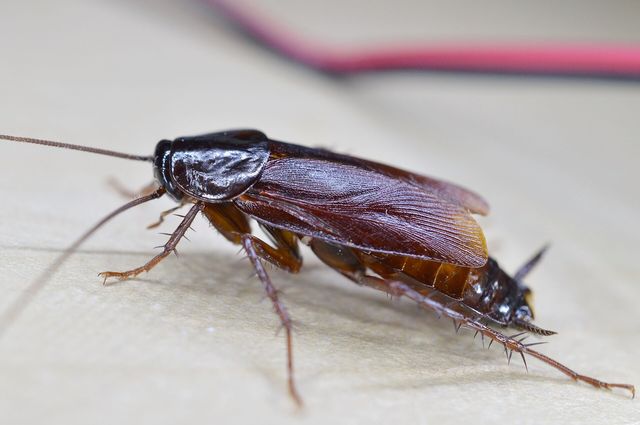
Oriental Cockroach
Blatta orientalisThe large dark cockroach that comes up out of drains, wells and manholes on summer nights.
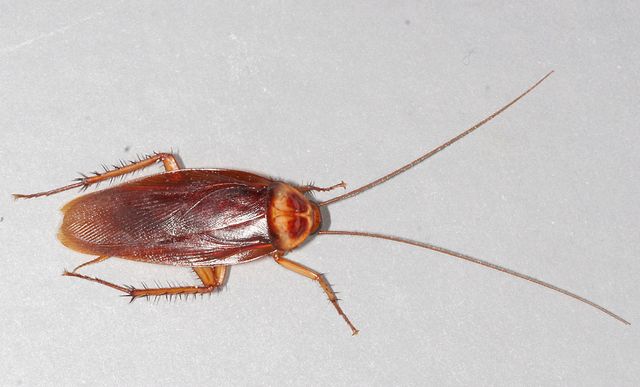
American Cockroach
Periplaneta americanaThe largest cockroach found in Malta, and one of the few that flies readily on warm nights.
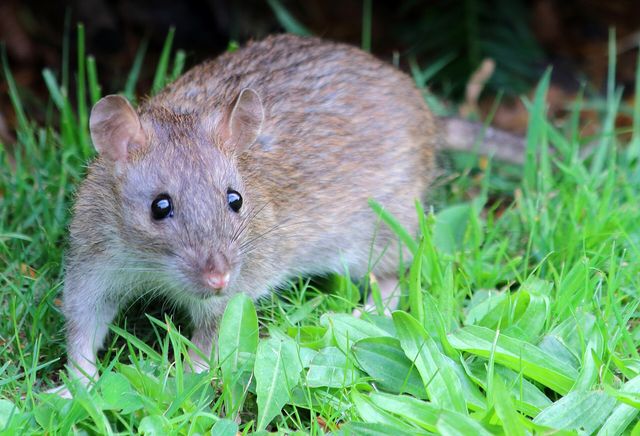
Brown Rat
Rattus norvegicusAlso called the sewer or Norway rat, and the most common rat in Maltese towns.
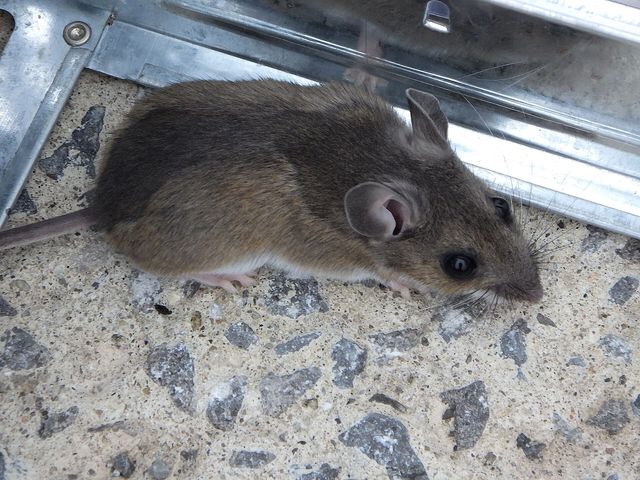
House Mouse
Mus musculusSmall, curious and prolific.
Dealing with German cockroach?
Book a treatment online at a fixed price, or request an inspection if you would rather have it confirmed first. Either way you will know the cost before anyone starts work.