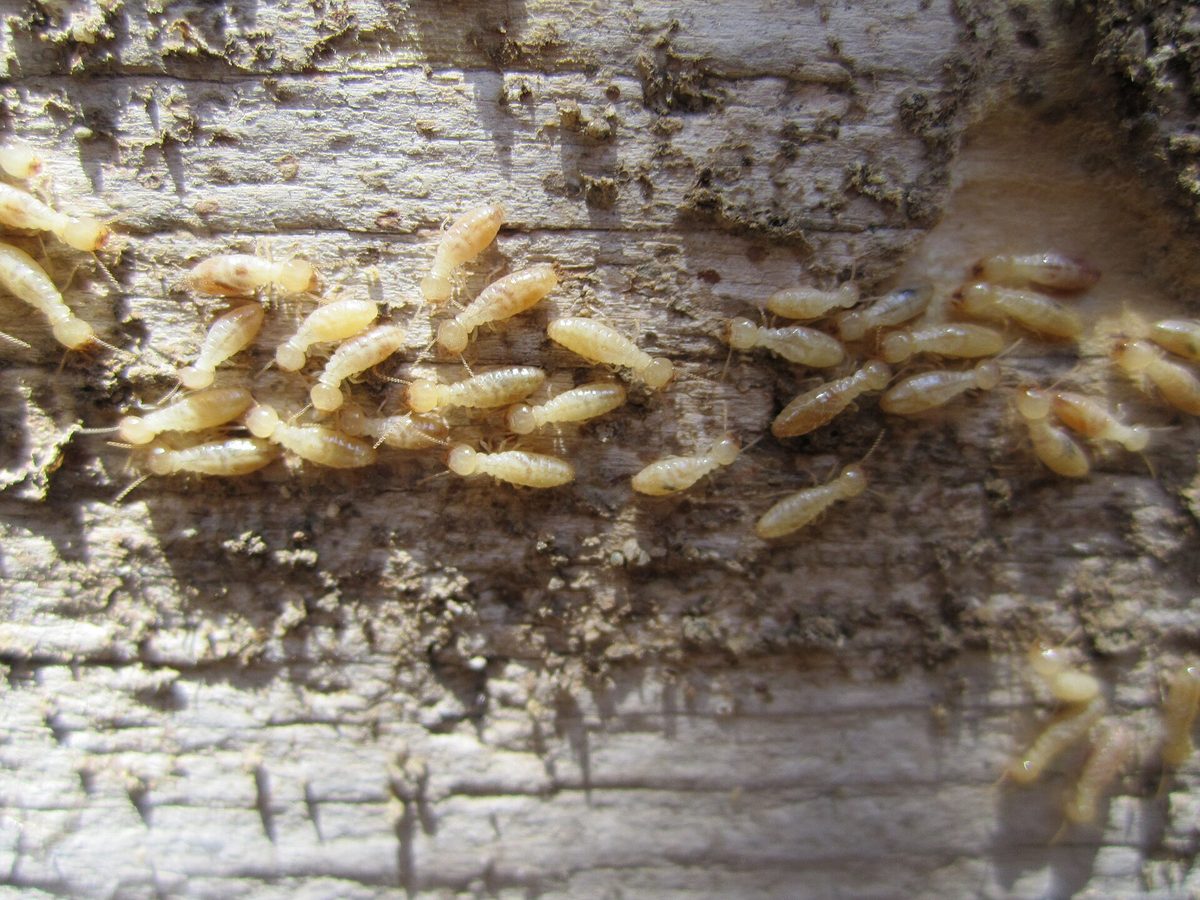
Subterranean Termite
Reticulitermes lucifugus
Present in Malta, and capable of destroying skirting, joinery, door frames and roof timbers from the inside out. They work within the wood and travel to it underground, so there is usually nothing to see on the surface. That is the whole difficulty with this species: by the time a floorboard gives way, the colony has been feeding for years.
Where it lives
Colonies live in the soil and reach timber through mud tubes built up walls and foundations. Attacks skirting boards, door frames, floor joists, buried timber and anything cellulose, including cardboard and paper.
Signs
- Mud tubes the width of a pencil running up walls, foundations and pillars
- Timber that sounds hollow when tapped but looks intact
- Swarms of dark winged insects in spring, or piles of discarded wings on sills
- Paint that blisters or ripples over affected timber
- Skirting and door frames that crumble under light pressure
- Floorboards or skirting that sound hollow but look perfectly sound
Risks
- Severe structural damage to timber, often extensive before discovery
- Very expensive repairs and possible loss of structural integrity
- Damage to stored documents, books and cardboard
- Rarely covered by standard building insurance
Prevention
- Keep soil and mulch away from timber and render at ground level
- Remove buried timber, formwork and tree stumps near the building
- Fix leaks and improve sub-floor ventilation
- Store firewood off the ground and away from the house
- Have an inspection before purchasing an older property
- Do not rely on a visual check alone in a rendered building, the mud tubes are often behind the render
Treatment
Termite control requires professional survey and a treatment plan: a soil-applied liquid barrier around the foundations, direct treatment of infested timber, and in-ground monitoring and baiting stations that transfer a growth regulator back to the colony. We monitor for at least twelve months and provide a written report suitable for property transactions.
Related pests
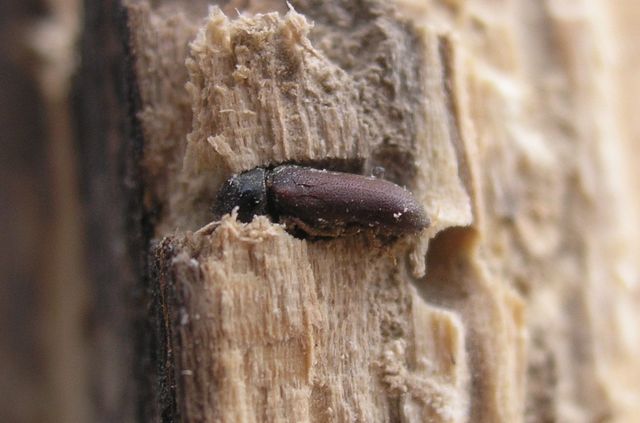
Woodworm (Furniture Beetle)
Anobium punctatumThe larvae tunnel inside timber for three to four years before emerging, so by the time you see the holes the damage is already done.
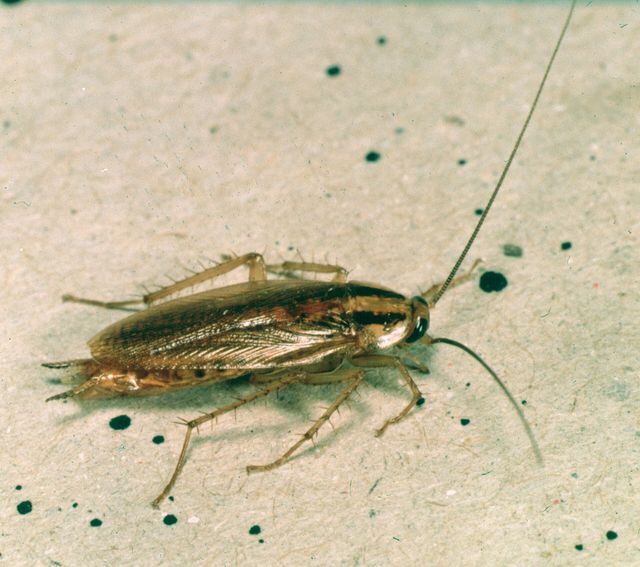
German Cockroach
Blattella germanicaThe most serious cockroach pest in Malta, and the hardest to get rid of.
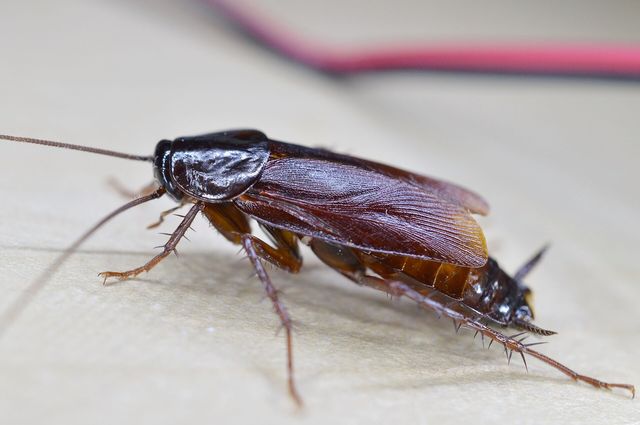
Oriental Cockroach
Blatta orientalisThe large dark cockroach that comes up out of drains, wells and manholes on summer nights.
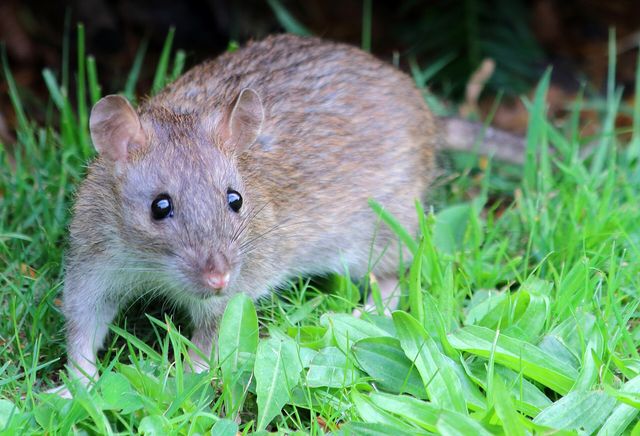
Brown Rat
Rattus norvegicusAlso called the sewer or Norway rat, and the most common rat in Maltese towns.