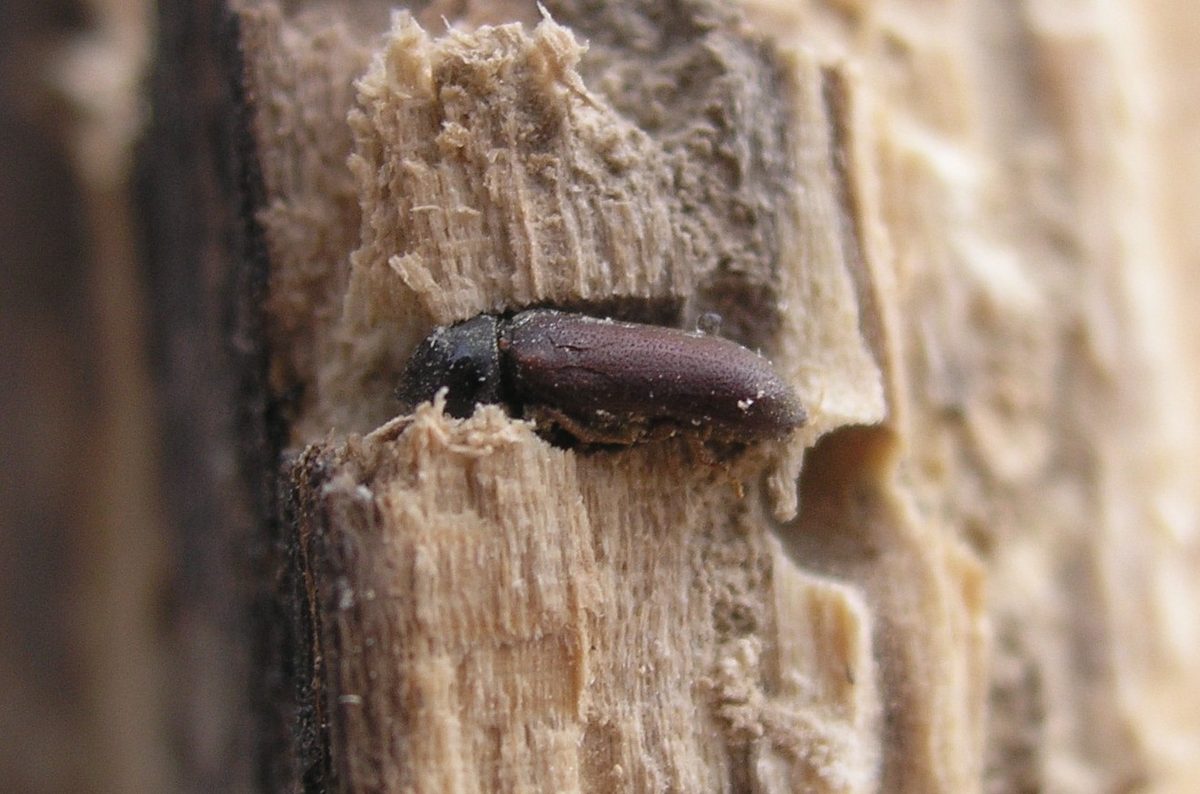
Woodworm (Furniture Beetle)
Anobium punctatum
The larvae tunnel inside timber for three to four years before emerging, so by the time you see the holes the damage is already done. Common in Maltese roof timbers, antique furniture and joinery.
Where it lives
Structural roof and floor timbers, staircases, door frames, antique and second-hand furniture, plywood backing and wicker. Prefers timber with a raised moisture content.
Signs
- Round exit holes 1–2 mm across in timber surfaces
- Fine gritty bore dust (frass) beneath furniture and beams
- Weak, crumbling timber edges, especially at bearing ends
- Live beetles on window sills near affected timber in early summer
- Tunnels visible in broken or cut timber
Risks
- Progressive structural weakening of roof and floor timbers
- Serious damage to antique and inherited furniture
- Costly repairs when discovered late in load-bearing timber
- Damp-related decay often accompanies infestation
Prevention
- Control damp. Dry timber is far less attractive to the beetle
- Ventilate roof voids, cellars and under-floor spaces
- Inspect second-hand and antique furniture before bringing it in
- Treat and seal exposed structural timber
Treatment
We survey to establish whether the infestation is active, then apply a boron or permethrin-based timber treatment by spray or injection, along with paste or gel for deeper structural sections. Severely weakened timber is identified for repair or replacement. We issue a written report and treatment certificate, which is often required for property sales and bank valuations.
Related pests
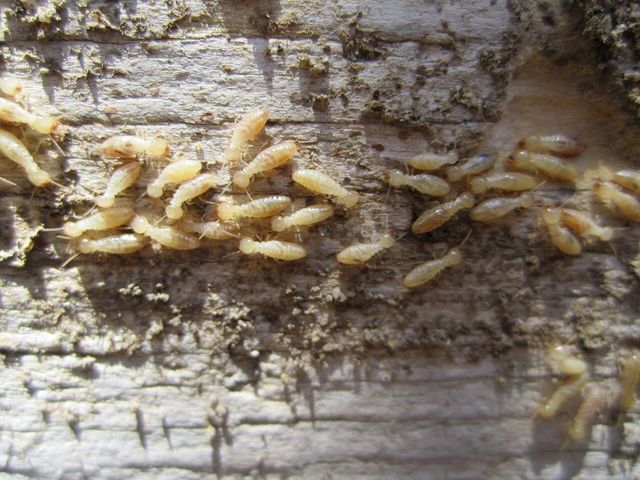
Subterranean Termite
Reticulitermes lucifugusPresent in Malta, and capable of destroying skirting, joinery, door frames and roof timbers from the inside out.
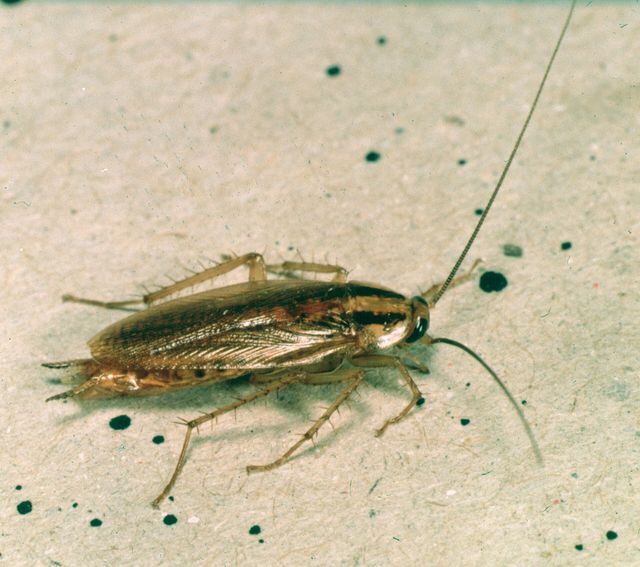
German Cockroach
Blattella germanicaThe most serious cockroach pest in Malta, and the hardest to get rid of.
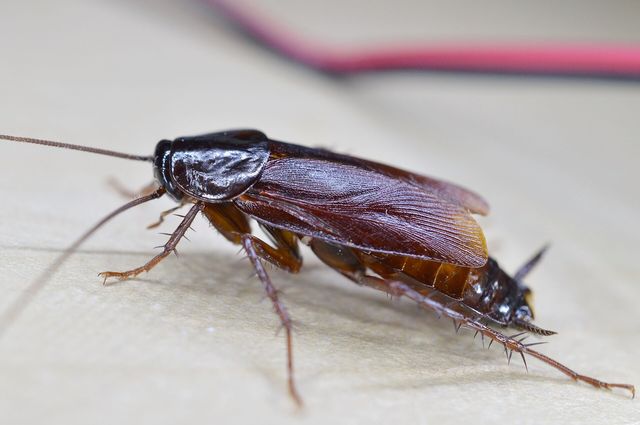
Oriental Cockroach
Blatta orientalisThe large dark cockroach that comes up out of drains, wells and manholes on summer nights.
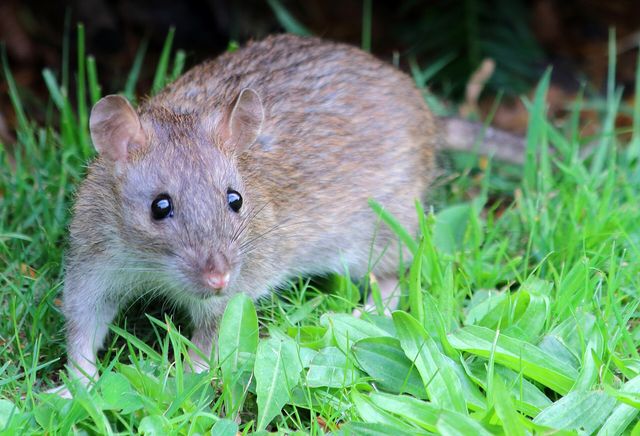
Brown Rat
Rattus norvegicusAlso called the sewer or Norway rat, and the most common rat in Maltese towns.