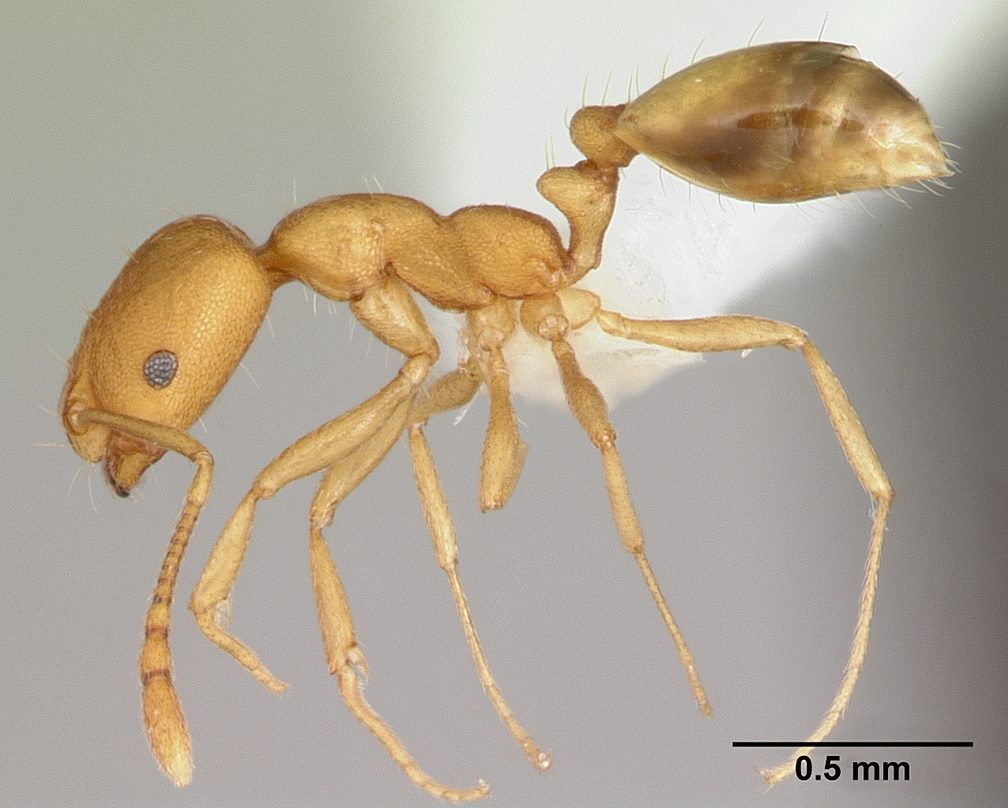
Pharaoh Ant
Monomorium pharaonis
A tiny tropical ant that thrives indoors all year round in hospitals, kitchens and apartment blocks. It is a genuine health risk because it is drawn to wound dressings, drains and refuse.
Where it lives
Nests inside wall voids, behind tiles, in electrical trunking, under kitchen units and in laundry areas: anywhere warm, humid and undisturbed. Colonies contain many queens and split when disturbed.
Signs
- Very small yellowish ants in bathrooms, kitchens and around drains
- Ants found in sealed food packets, medical dressings or hospital wards
- Trails running along heating pipes and cable runs rather than skirting boards
- Sudden appearance of several new trails after an insecticide spray was used
Risks
- Mechanically transmits Salmonella, Staphylococcus and Pseudomonas
- Serious contamination risk in kitchens, clinics and care homes
- Infests sterile supplies, dressings and drip lines in medical settings
- Budding behaviour means DIY sprays multiply the problem
Prevention
- Never spray a suspected Pharaoh ant trail. Always bait it
- Fix leaking taps and dry out condensation traps
- Keep refuse in sealed bins away from the building envelope
- Seal service penetrations through walls and floors
Treatment
Control is by protein and carbohydrate gel bait applied over several weeks, alternating formulations because colonies switch food preference. Insecticide sprays are strictly avoided. In apartment blocks and institutions we bait every affected unit at the same time, because treating one flat alone simply pushes the colony next door.
Related pests
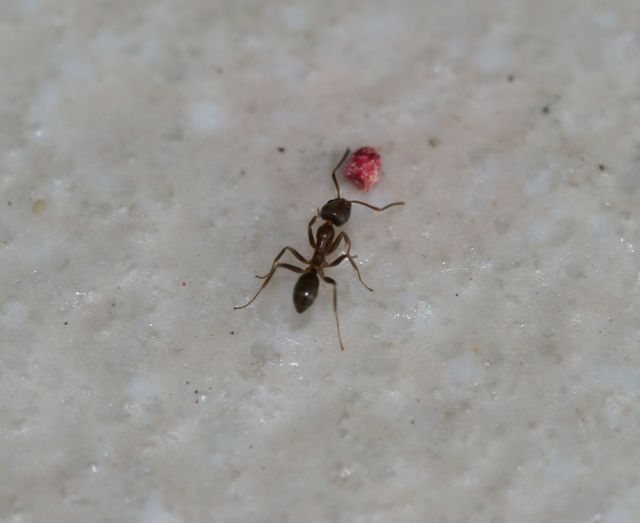
Argentine Ant
Linepithema humileThe ant you are most likely to find marching along a Maltese kitchen worktop.
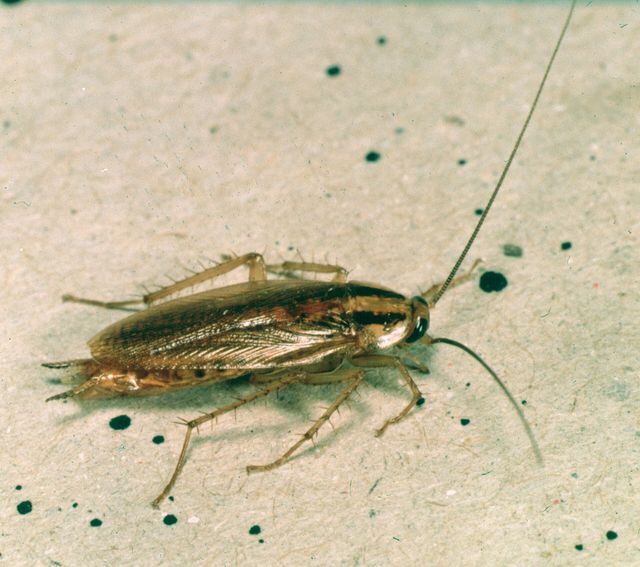
German Cockroach
Blattella germanicaThe most serious cockroach pest in Malta, and the hardest to get rid of.
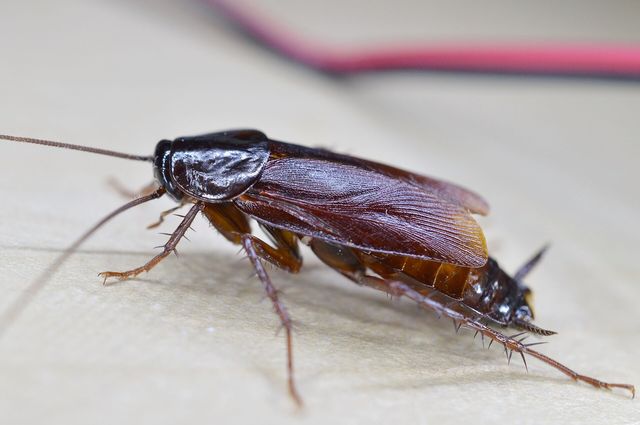
Oriental Cockroach
Blatta orientalisThe large dark cockroach that comes up out of drains, wells and manholes on summer nights.
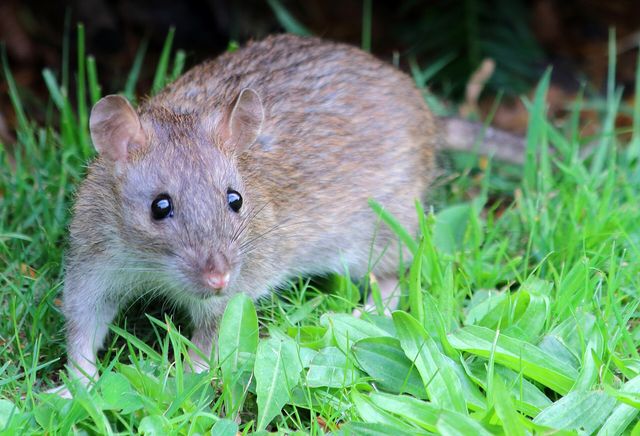
Brown Rat
Rattus norvegicusAlso called the sewer or Norway rat, and the most common rat in Maltese towns.