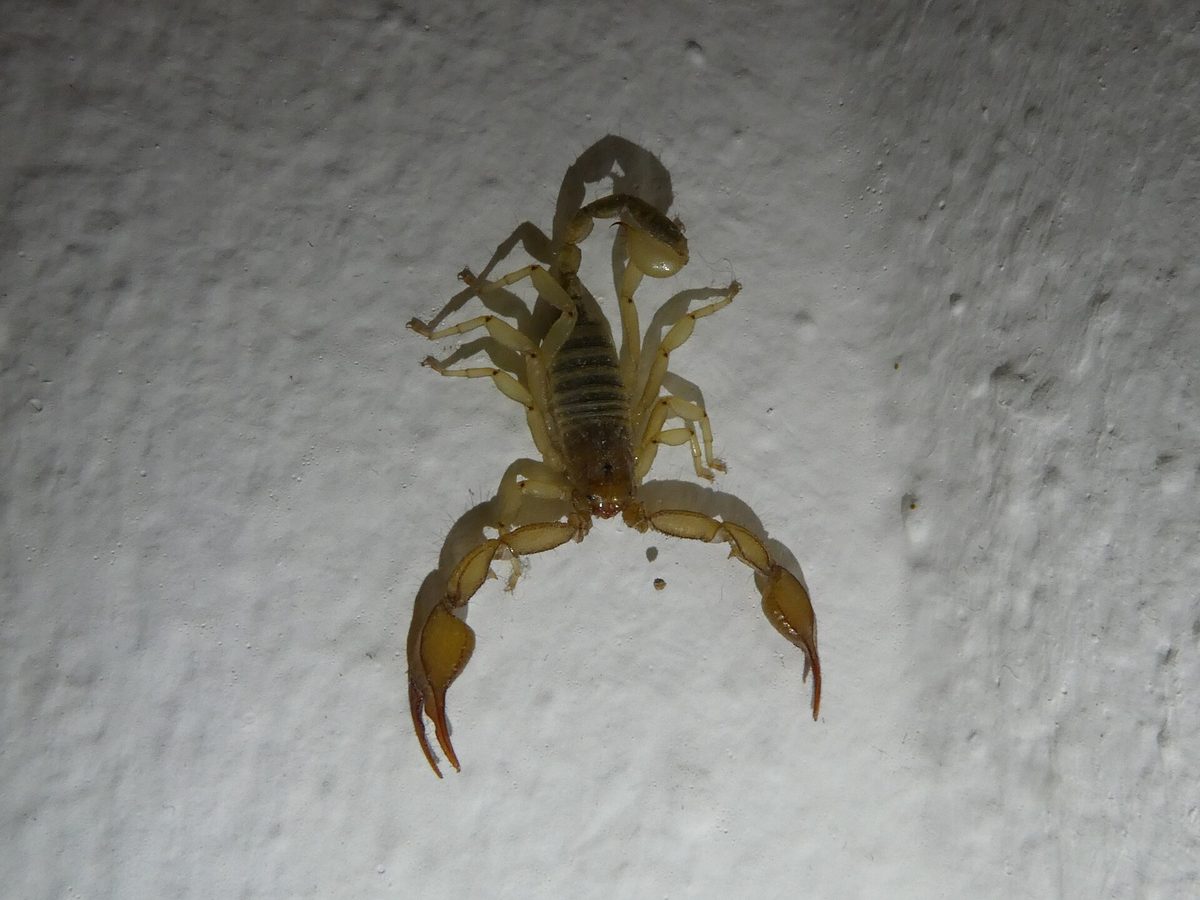
Mediterranean Scorpion
Euscorpius sicanus
Malta’s native scorpion. It is small, nocturnal and shy, and its sting is comparable to a wasp sting rather than being dangerous, but finding one indoors is understandably alarming.
Where it lives
Under stones, in rubble walls, wood piles, behind loose render, in cellars and beneath skirting in older properties. Comes indoors seeking cool humidity in high summer.
Signs
- Small dark scorpions found in bathrooms, cellars and ground-floor rooms at night
- Sightings under stones, plant pots and stored timber
- Increased indoor sightings during very hot dry spells
- More common in older stone-built and rural property
Risks
- Sting causes local pain, redness and swelling similar to a wasp sting
- Allergic reaction is possible though uncommon
- Distressing to occupants, especially with young children
- Presence suggests gaps and harbourage in the building envelope
Prevention
- Fit brush seals to external doors and mesh to air bricks and vents
- Keep firewood, stone and plant pots away from the walls of the house
- Seal cracks in render and gaps around pipework
- Shake out shoes and towels left on floors in summer
Treatment
Control is mainly exclusion: we identify and seal entry points, then apply a targeted residual treatment to thresholds, wall bases, cellars and harbourage areas. We also reduce the insect prey population, because scorpions follow their food. Ongoing perimeter treatments through the summer keep numbers down in rural properties.
Related pests
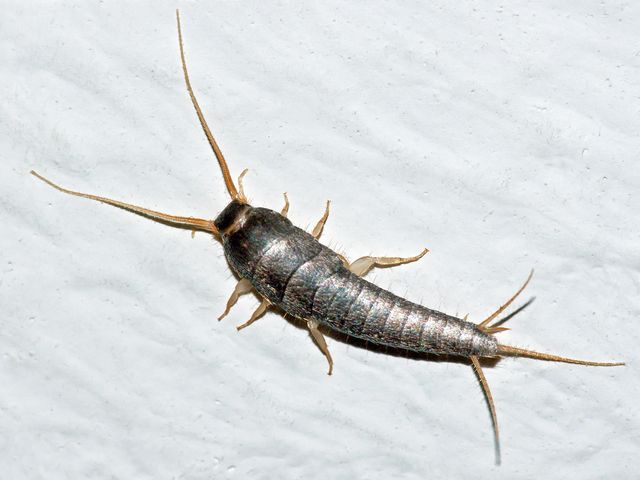
Silverfish
Lepisma saccharinaFast, wingless insects that dart for cover when a bathroom light goes on.
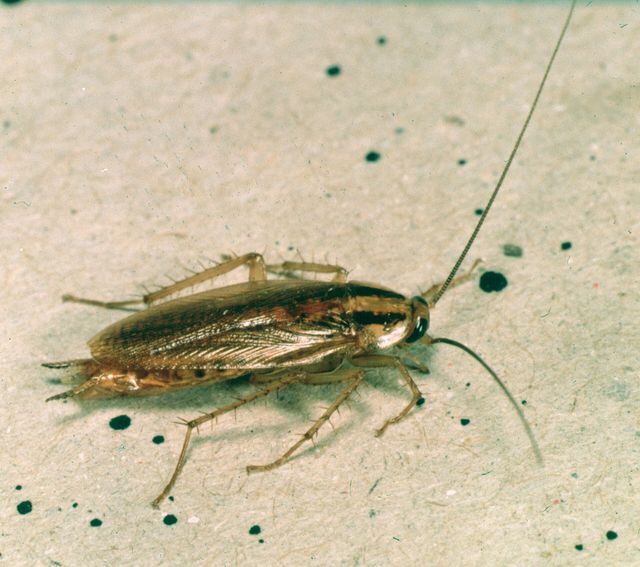
German Cockroach
Blattella germanicaThe most serious cockroach pest in Malta, and the hardest to get rid of.
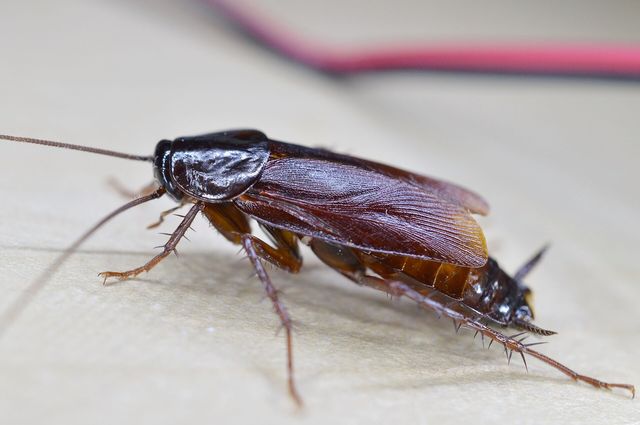
Oriental Cockroach
Blatta orientalisThe large dark cockroach that comes up out of drains, wells and manholes on summer nights.
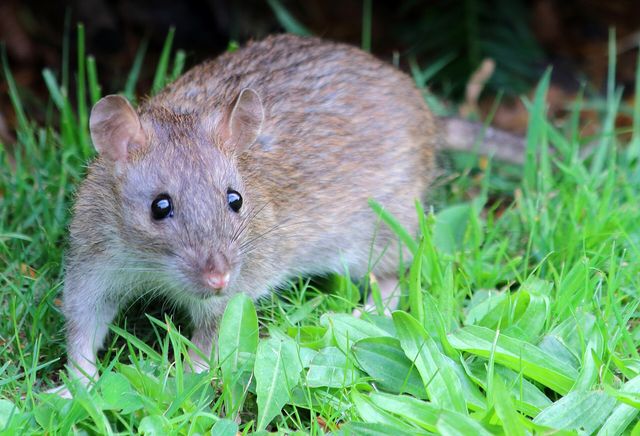
Brown Rat
Rattus norvegicusAlso called the sewer or Norway rat, and the most common rat in Maltese towns.