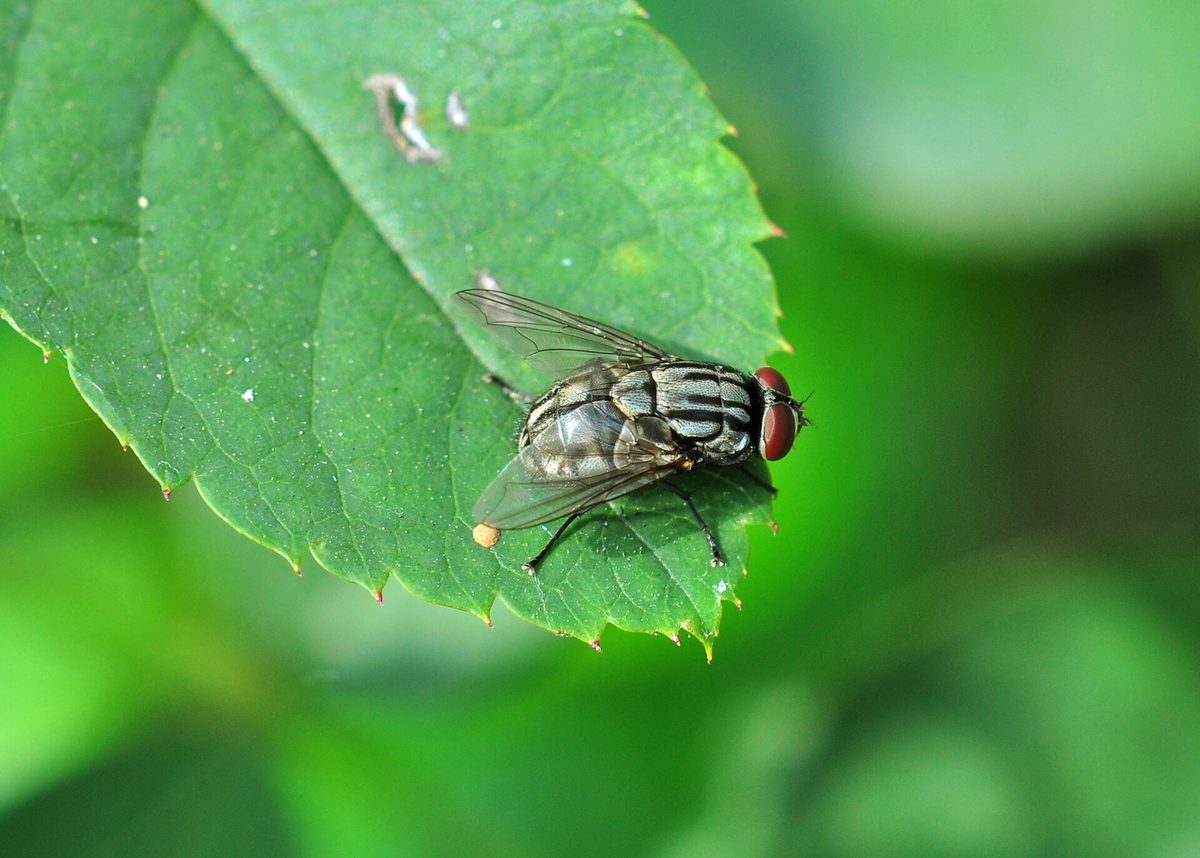
House Fly
Musca domestica
A fly can move from refuse to a dinner plate in seconds, and it feeds by regurgitating onto food before drinking the liquid. That combination makes it one of the most efficient contamination vectors in any kitchen.
Where it lives
Breeds in refuse, animal waste, compost, drains and rotting organic matter. Adults are drawn indoors by food odours, light and warmth.
Signs
- Flies clustering on windows and light fittings
- Small dark specks (regurgitation and faecal spots) on walls, tiles and lampshades
- Maggots in bins, drains or under equipment
- Persistent numbers indicating a breeding site rather than casual entry
Risks
- Carries Salmonella, E. coli, Campylobacter and Shigella
- Contaminates food, packaging and preparation surfaces
- Presence during an inspection can close a food premises
Prevention
- Keep bin lids closed and bins washed, away from doors
- Fit fly screens to kitchen windows and doors
- Clean drains and grease traps regularly
- Remove animal waste and rotting fruit from yards and gardens promptly
Treatment
The only lasting control is to find and remove the breeding site. We identify the source, treat it, then manage the adult population with professionally sited electric fly killers, targeted residual treatment of resting surfaces and, in commercial kitchens, a documented fly management programme with monthly unit servicing.
Related pests
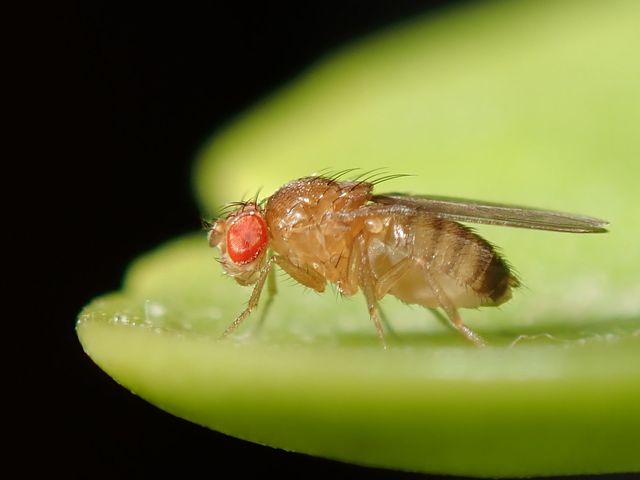
Fruit Fly
Drosophila melanogasterThe tiny flies over a fruit bowl or a bar drip tray.
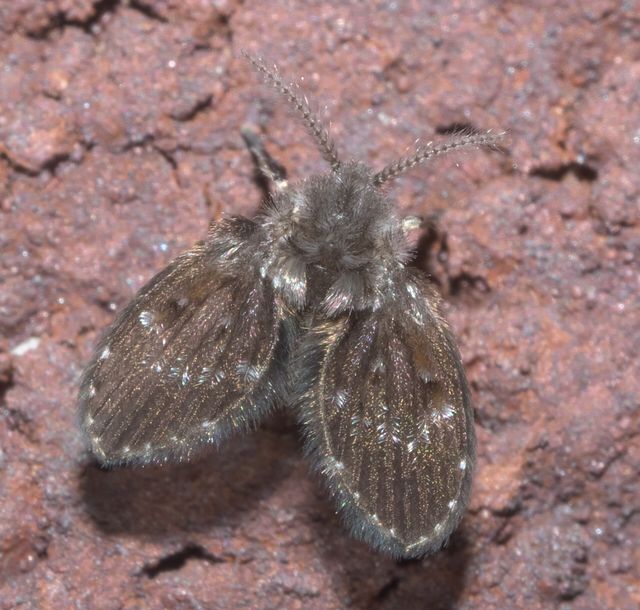
Drain Fly (Moth Fly)
Clogmia albipunctataFuzzy grey flies sitting on the tiles just above a drain.
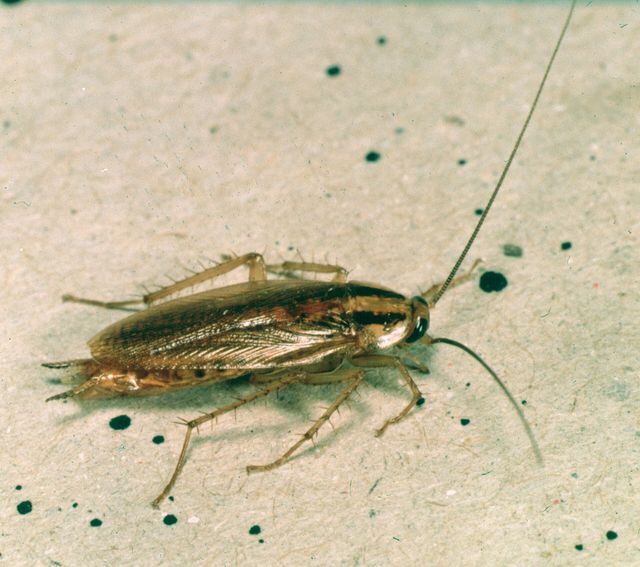
German Cockroach
Blattella germanicaThe most serious cockroach pest in Malta, and the hardest to get rid of.
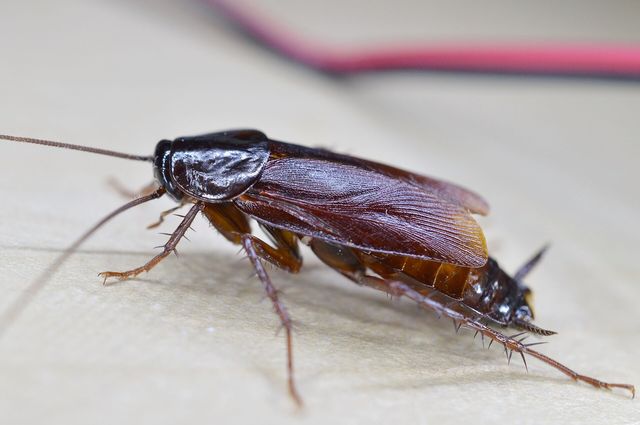
Oriental Cockroach
Blatta orientalisThe large dark cockroach that comes up out of drains, wells and manholes on summer nights.