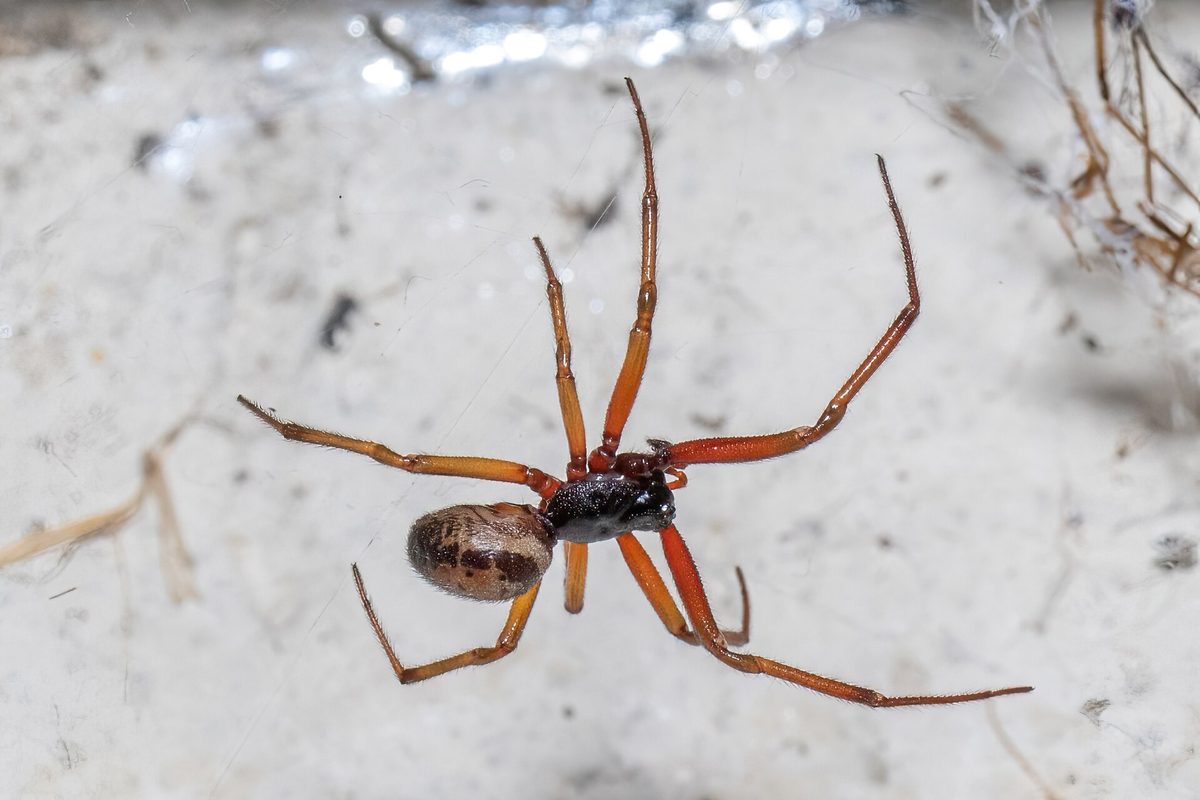
False Widow Spider
Steatoda spp.
Common in and around Maltese buildings, frequently mistaken for a black widow, and responsible for a good deal more alarm than harm: a bite hurts, but it is not medically serious for most people.
Where it lives
Window frames, garage corners, under sills, in garden furniture, sheds, wall crevices and around external lighting where insects gather.
Signs
- Dark bulbous spiders in tangled webs in corners and window reveals
- Webs concentrated near external lights and vents
- Increased sightings in autumn as males wander looking for mates
- Egg sacs suspended in the web
Risks
- Bite can cause localised pain and swelling; systemic effects are uncommon
- Webs and debris are unsightly on façades and balconies
- Considerable anxiety because of confusion with the black widow
Prevention
- Brush down webs from window reveals, balconies and eaves regularly
- Reduce external lighting or switch to warm-toned lamps that attract fewer insects
- Fit fly screens and seal gaps around frames
- Keep garden furniture and stored items clear of walls
- Wear gloves when reaching into sheds and undisturbed storage
Treatment
A residual perimeter treatment applied to window reveals, eaves, doorways and balcony soffits, combined with physical web removal and advice on reducing the insect prey that attracts them. Two treatments a year, in spring and autumn, keep façades clear.
Related pests
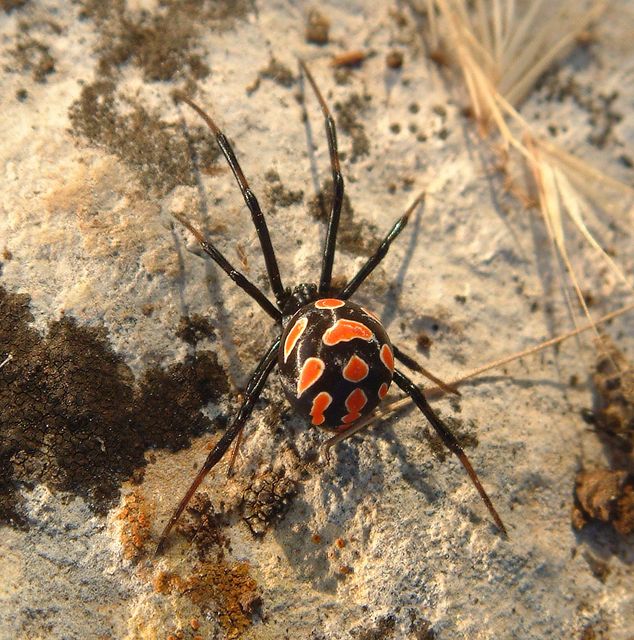
Mediterranean Black Widow
Latrodectus tredecimguttatusMalta’s only spider of genuine medical significance.
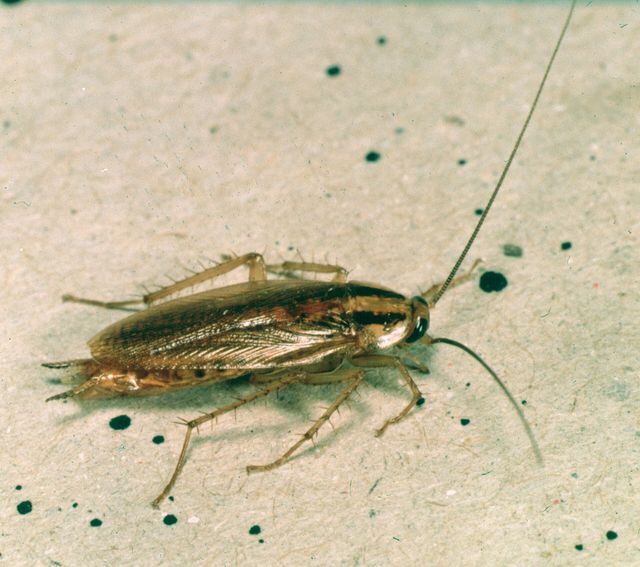
German Cockroach
Blattella germanicaThe most serious cockroach pest in Malta, and the hardest to get rid of.
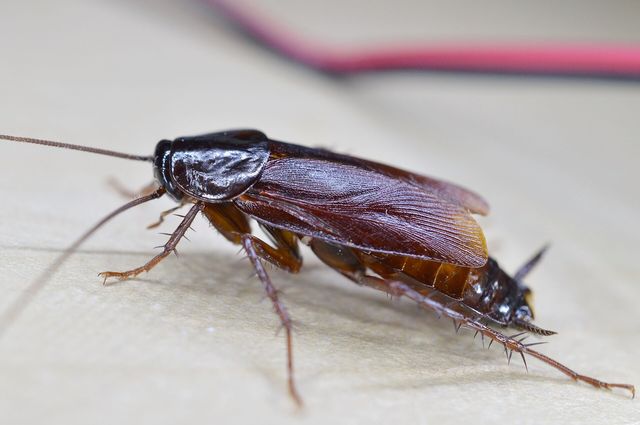
Oriental Cockroach
Blatta orientalisThe large dark cockroach that comes up out of drains, wells and manholes on summer nights.
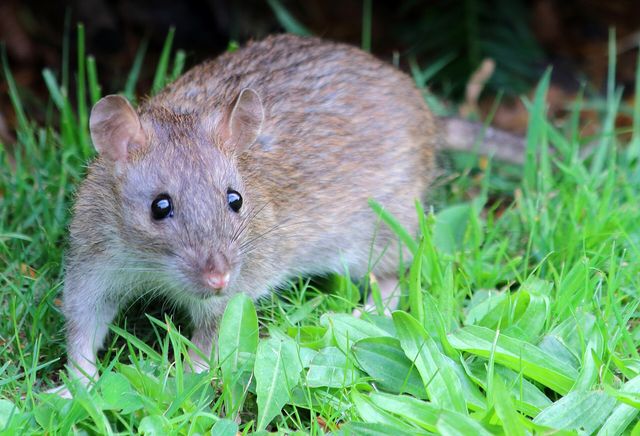
Brown Rat
Rattus norvegicusAlso called the sewer or Norway rat, and the most common rat in Maltese towns.