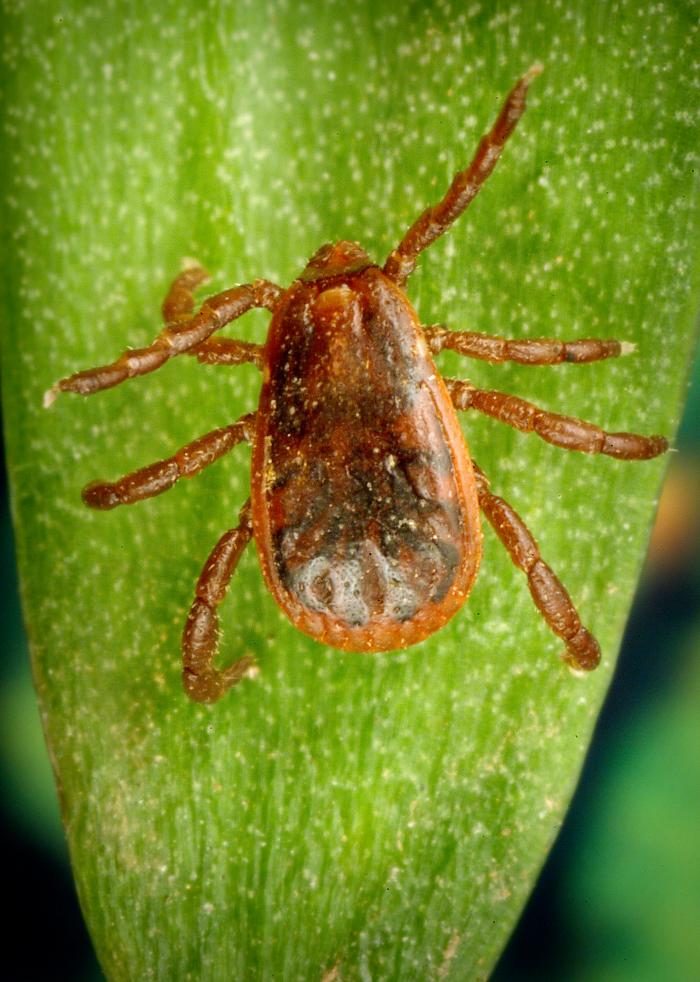
Brown Dog Tick
Rhipicephalus sanguineus
Unusually for a tick, this species completes its whole life cycle indoors, which is why Maltese homes and kennels can become heavily infested. It is the main local vector of Mediterranean spotted fever.
Where it lives
Cracks in walls and floors, behind skirting boards, in kennels, garden walls, cracks in rubble walls and around dog sleeping areas. Climbs walls to moult, so ticks are often seen high up.
Signs
- Ticks attached to dogs, especially around the ears, neck and between the toes
- Small brown ticks crawling up walls, curtains and door frames
- Engorged grey-blue ticks dropping into corners and cracks
- Repeated reinfestation of a treated dog within days
Risks
- Transmits Mediterranean spotted fever (Rickettsia conorii) to humans
- Transmits ehrlichiosis and babesiosis to dogs, which can be fatal
- Populations explode indoors, with thousands of eggs laid in wall cracks
- Very difficult to clear with a single treatment
- One of the few pests that will keep reinfesting a house after the dog has been treated, because the population is in the building rather than on the animal
Prevention
- Use a veterinary tick preventative on dogs all year in Malta
- Check dogs after every walk, particularly in rural and valley areas
- Fill cracks in walls, render and floors in and around kennels
- Keep grass short and clear leaf litter from dog areas
Treatment
Treating the dog alone never works. We apply a residual insecticide with a growth regulator to walls, floor junctions, cracks and external kennel areas, repeated at 14-day intervals to catch newly hatched ticks, alongside veterinary treatment of the animals and, where possible, repair of the cracks the ticks use.
Related pests
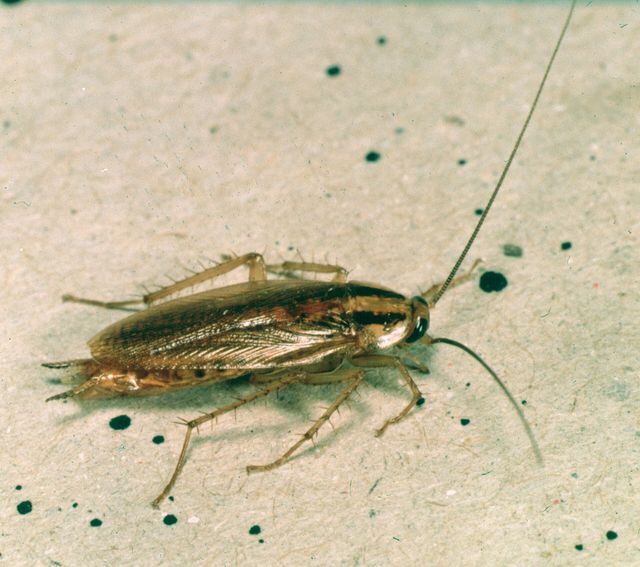
German Cockroach
Blattella germanicaThe most serious cockroach pest in Malta, and the hardest to get rid of.
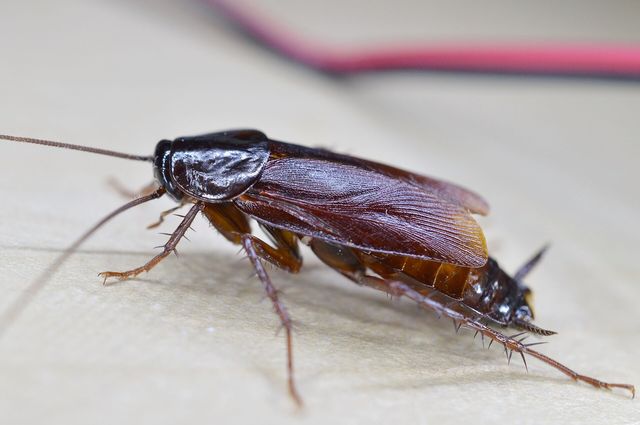
Oriental Cockroach
Blatta orientalisThe large dark cockroach that comes up out of drains, wells and manholes on summer nights.
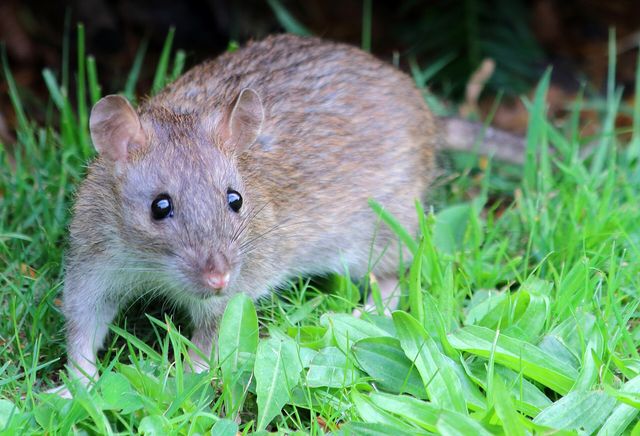
Brown Rat
Rattus norvegicusAlso called the sewer or Norway rat, and the most common rat in Maltese towns.
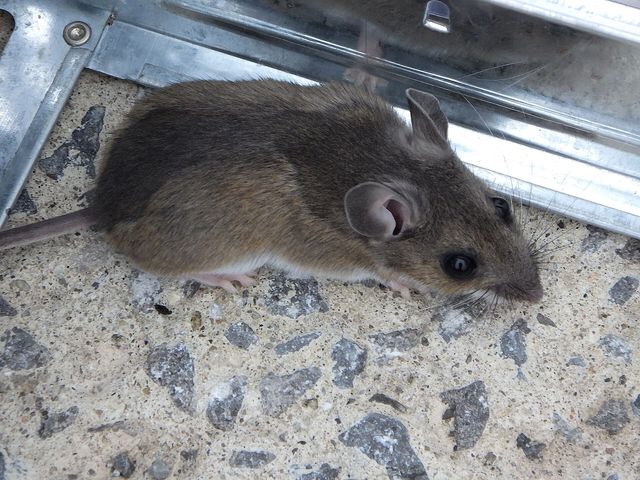
House Mouse
Mus musculusSmall, curious and prolific.